
Babban
Wildlife Service Awards 2025
Babban
Forest and wildlife guardian, biophiliac
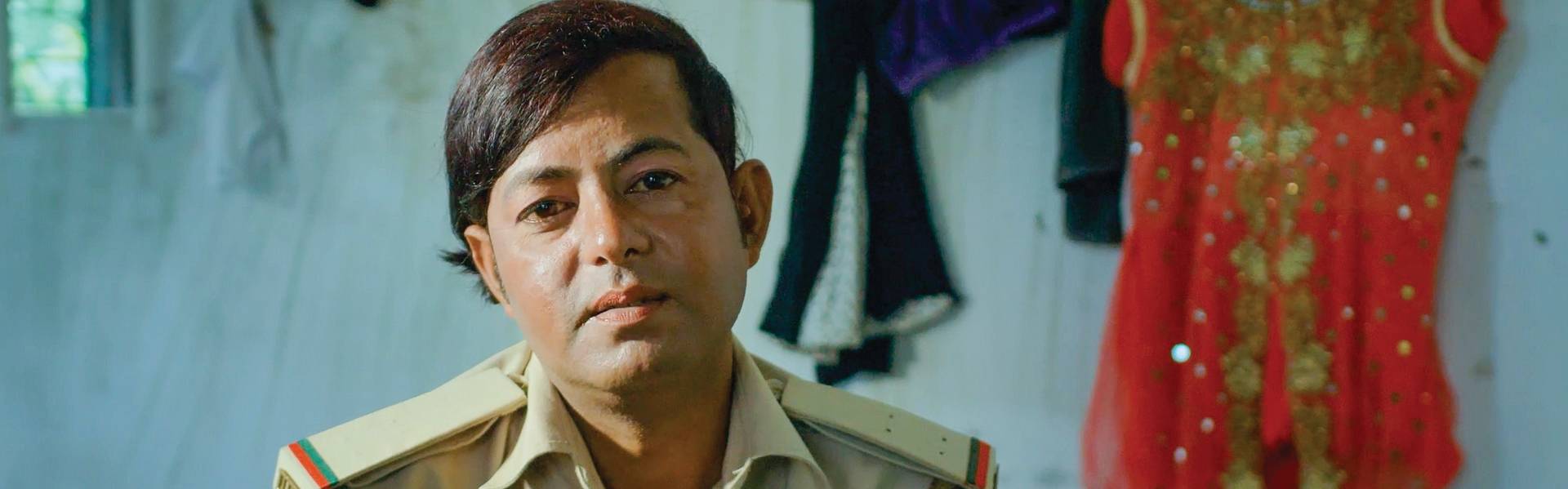
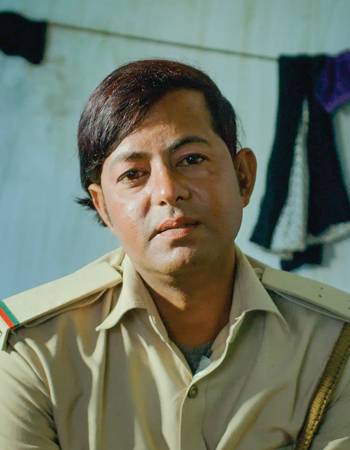
Babban walks with authority and ease in the forests of Uttarakhand. This is their home, their safe space. A forest guard in the Jim Corbett National Park in Uttarakhand, they are prepared to fight for the wilderness and all its inhabitants, for they are a part of each other. Babban’s relentless efforts, often in the face of life-threatening moments, to protect the natural heritage of India make them a beacon of hope.
Corbett’s wild landscape has been Babban’s backyard. Born in the Kalagarh range of the Corbett Tiger Reserve, Babban’s father was a forest guard and on his untimely death, following tradition, Babban was offered a job as a forest guard in the Uttarakhand Forest Department at the young age of 18 years. “When I am in the forest, I am happy. This wind, this jungle, these valleys, they teach me. They talk to me,” says 40-year-old Babban, who assiduously looks after the forest, chasing down poachers, putting out forest fires, and tracking injured animals, just a few of the many dangerous responsibilities that forest guards across India bravely and uncomplainingly undertake.
“The forest saved my life,” says Babban. “The birds and animals here have showered me with even more love than my family and friends have given. The forest – its biodiversity, the undulating terrain, the streams born from the land – healed Babban, bringing them hope. They are a personification of the biophilia hypothesis – that humans hold an innate tendency to seek connections with nature and all forms of life.
Dressed in the tan uniform of the Forest Department, Babban keeps a sharp eye on poachers, protecting the forest from fires and dealing with human-animal interactions. Additionally, maintaining waterholes with the help of workers, or patrolling on foot at all hours of the day or night, involves chance encounters with carnivores, or elephants.
Little understood are the mental health issues that someone in Babban’s position has to cope with: “When I go to the jungle, I feel very happy when I see a herd of wild elephants with its calves, I feel like I have found my family. Look at their affection, how much love they show their young ones. When we go on patrolling tours, sometimes when we come face to face with them, the elephants immediately form a circle around the calves to protect them.”
Babban now wants their story told before the world, a wish that has been translated into reality by 23-year-old Neel Soni’s sensitive documentary ‘Babli By Night’. Soni, who spent four years making the film, says, “Baban transforms into a woman at night, stepping into this alter ego called Babli. So, it’s Babban by day, and Babli – sometimes Bobby – by night, depending on which identity feels strongest at the moment.”
“I want to spend my life happily in the jungle, so that I can die in peace,” Baban says with quiet clarity, fighting for happiness and living life the way it should be lived, transcending gender and beyond. A fight for identity in the life-giving forest, and defending the forest that is home.
Babban is a pillar for the future of our biodiversity, as well as our food and water security. Their commitment to the sanctity of the forest and all its biodiversity, and the courage and strength they embody as a frontline protector of nature, is truly inspirational. For this we honour Babban with a Sanctuary Wildlife Service Award, 2025.