Miles To Go Before They Sleep
First published in Sanctuary Cub,
Vol. 46
No. 3,
March 2026
For some animals, survival means staying on the move. They undertake annual migratory journeys – some short, others astonishingly long – as seasons change. Migration unfolds across the sky, over land, and through water. Text by Rithwik Sundar.
No matter where or how migration unfolds, it tells the same tale: of adaptation, endurance, and life’s will to survive. Migratory animals use natural clues to navigate a vast and complex planet, making it seem effortless. Some follow the stars, others sense the Earth’s magnetic field. Many read the position of the sun, the direction of the wind, the scent of the land, or ocean currents. Animals chart maps and routes across the planet that are invisible to us and unlike any we know.
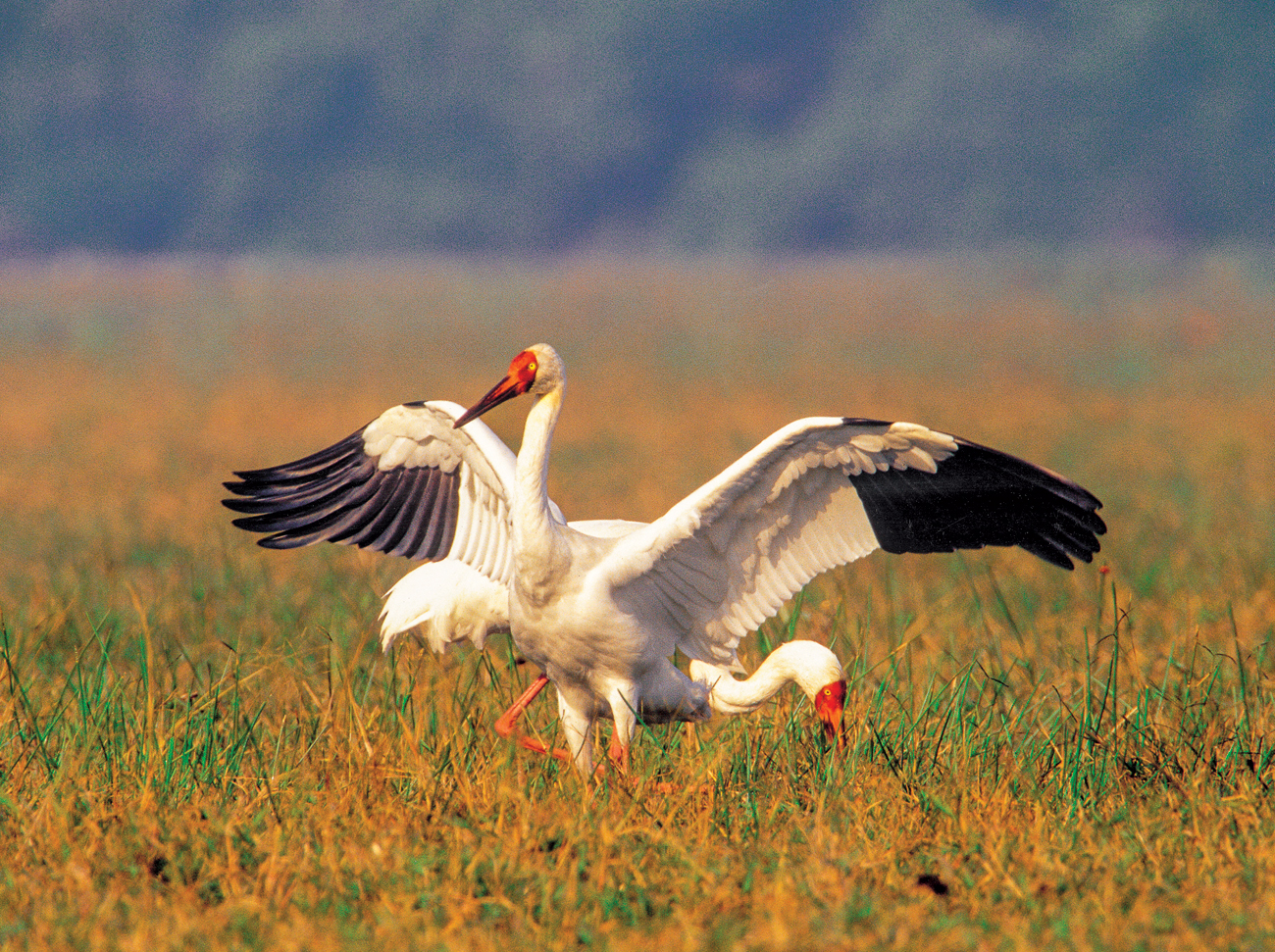
In the winter of 2002/03, Siberian Cranes did not arrive in Keoladeo National Park in Bharatpur, Rajasthan. This was preceded by the worst drought in the history of the park. Since that winter, Siberian Cranes have not been spotted anywhere in India. Photo: Hira Punjabi/Sanctuary Photolibrary.
Raison d’Etre
At first glance, it may seem puzzling that animals would undertake such demanding journeys at all. Why travel thousands of kilometres through harsh weather, facing countless risks and exhaustion? Why not simply remain in a familiar place?
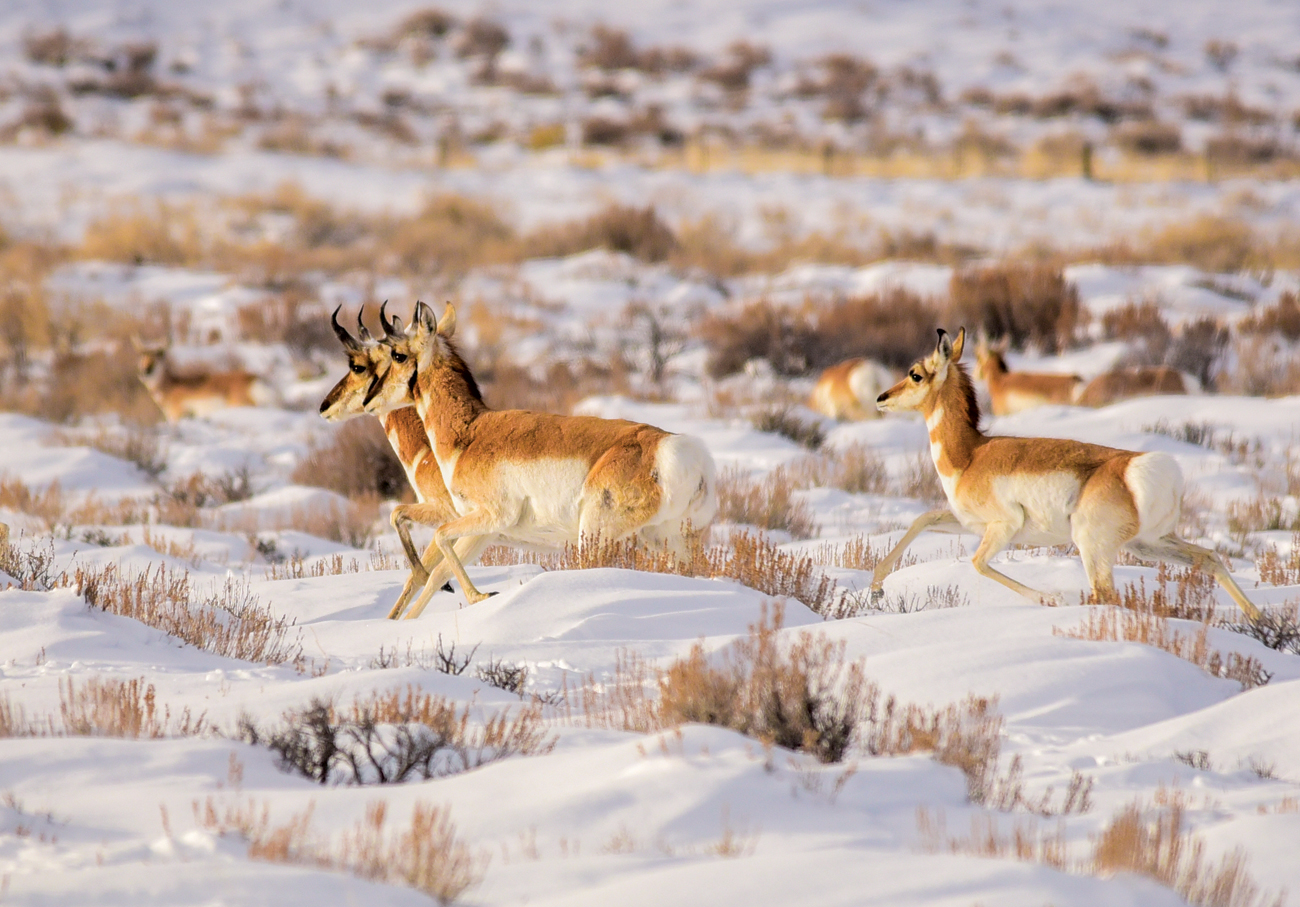
The pronghorn undertakes the longest land migration in continental United States. Photo: Public domain/Tom Koerner/U.S. Fish and Wildlife Service.
The answer lies in the changing seasons and the shifting availability of resources. As Earth orbits the sun, temperature, daylight, and rainfall patterns change throughout the year. These changes directly affect ecosystems. A region that is rich in food during the summer may become cold, dry, or nearly barren in winter. Insects disappear, plants stop growing, water freezes, and prey becomes scarce. Under such conditions, staying put can reduce an animal’s chances of survival and reproduction. Some species also migrate to reproduce, ensuring that their offspring grow under the best environmental conditions. Migration is an adaptive strategy shaped by natural selection. Over many generations, individuals who moved to areas with more abundant food, milder climates, or safer breeding grounds were more likely to survive and pass on their genes. As a result, migratory behaviour became instinctive in many species.
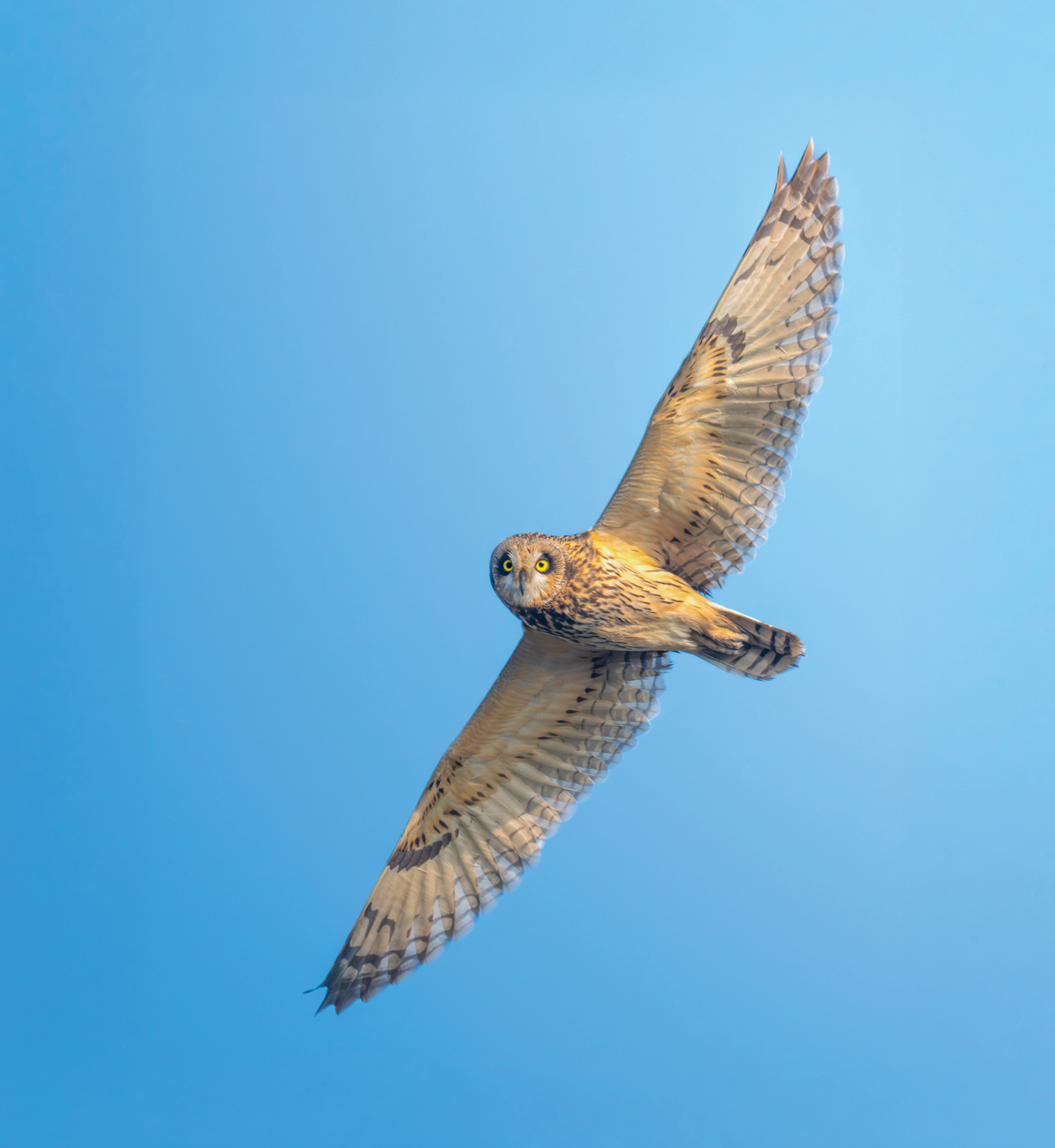
Short-eared Owls are one of the few highly migratory and nomadic species of owls. Photo: Saurav Choudhury.
Migration is a biological response to predictable changes in the environment. Some 70,000 years ago, even modern humans began migrating out of Africa, setting out on a path that would spread us across the globe.
Built To Move
Animals undergo remarkable physical changes to prepare for migration. The Ruby-throated Hummingbird, a bird weighing only two to six grams, prepares for its extraordinary journey of up to 2,000 km. across the Gulf of Mexico by entering a period of intense eating. It can nearly double its body weight, storing energy as fat to fuel the non-stop flight, while non-essential organs, such as parts of the digestive system, temporarily shrink to reduce weight.
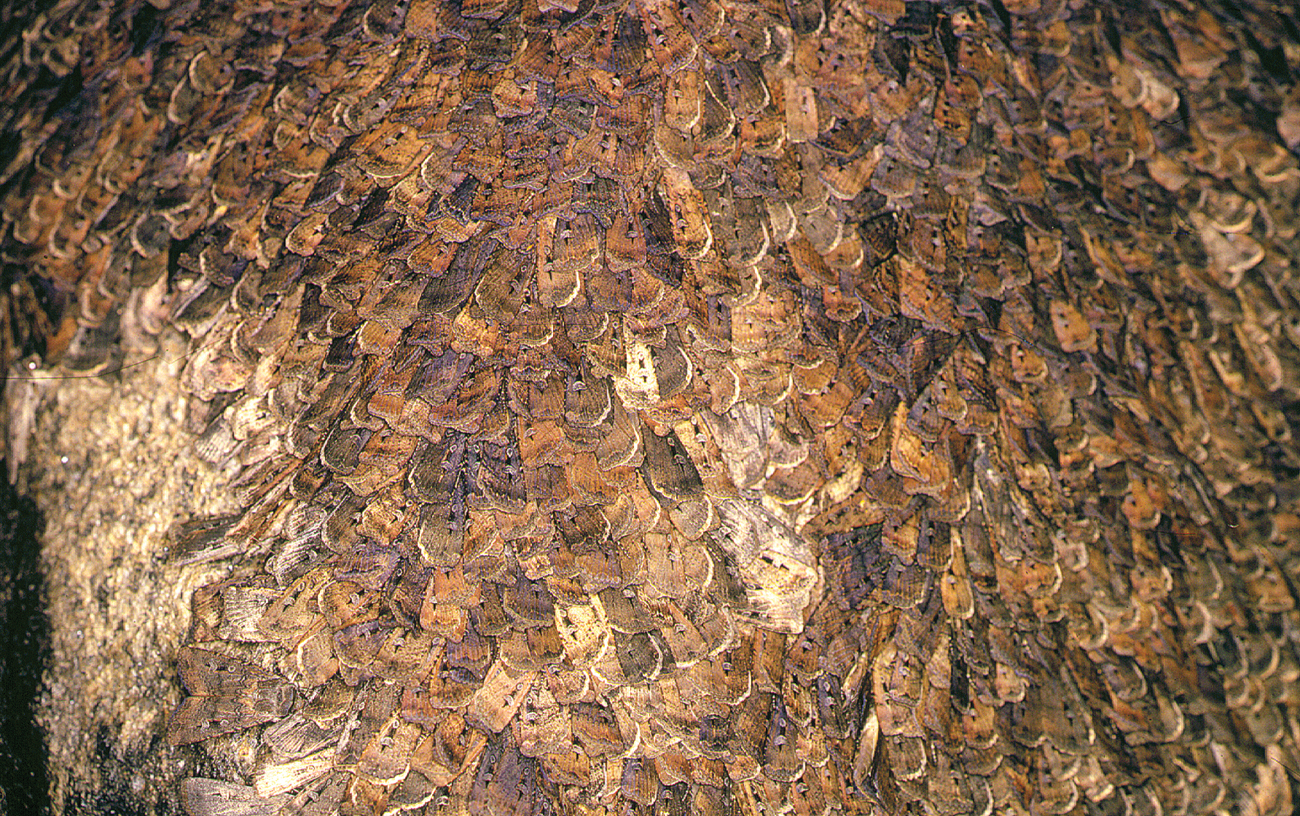
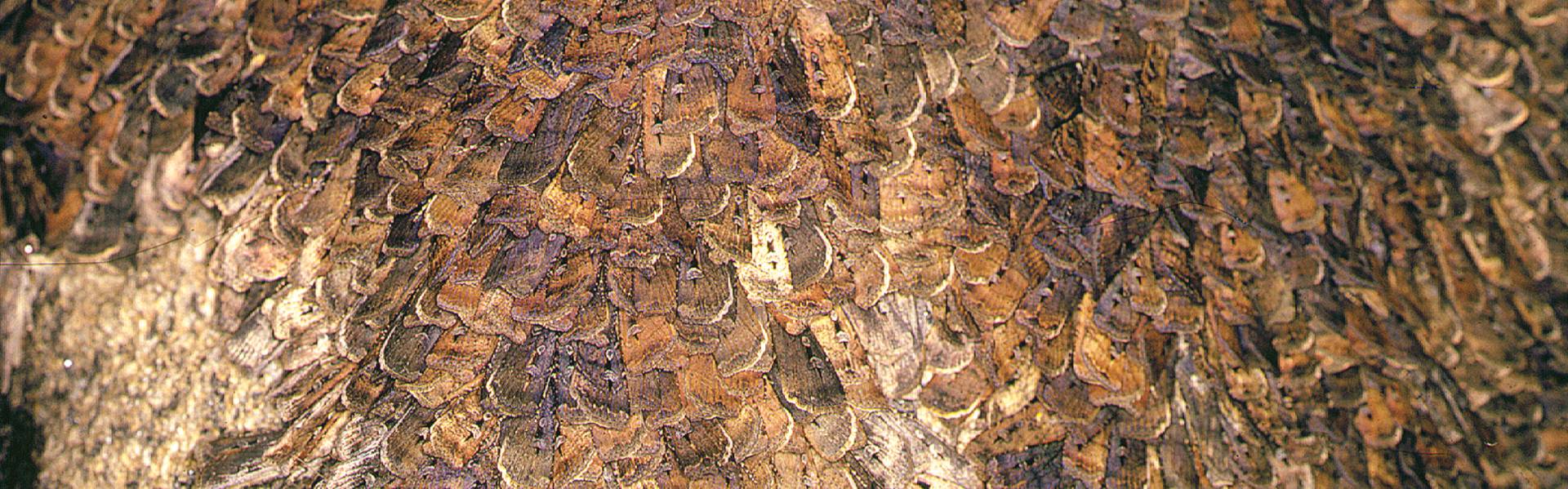
Billions of endangered Bogong moths migrate up to 1,000 km. to escape the heat. Photo: Public Domain.
Many animals carry circannual rhythms within their biology – internal yearly clocks that allow them to anticipate seasonal changes before the world around them signals a shift. These rhythms act like nature’s forecast: an Arctic fox begins growing its thick winter coat before the cold sets in, and birds take flight on migration even before food becomes scarce. In this way, animals are always a step ahead, guided by an instinctive sense of time honed over generations. These are only glimpses into the many ways migratory animals have mastered their yearly odysseys, shaped by evolution to endure, adapt, and thrive along the way.
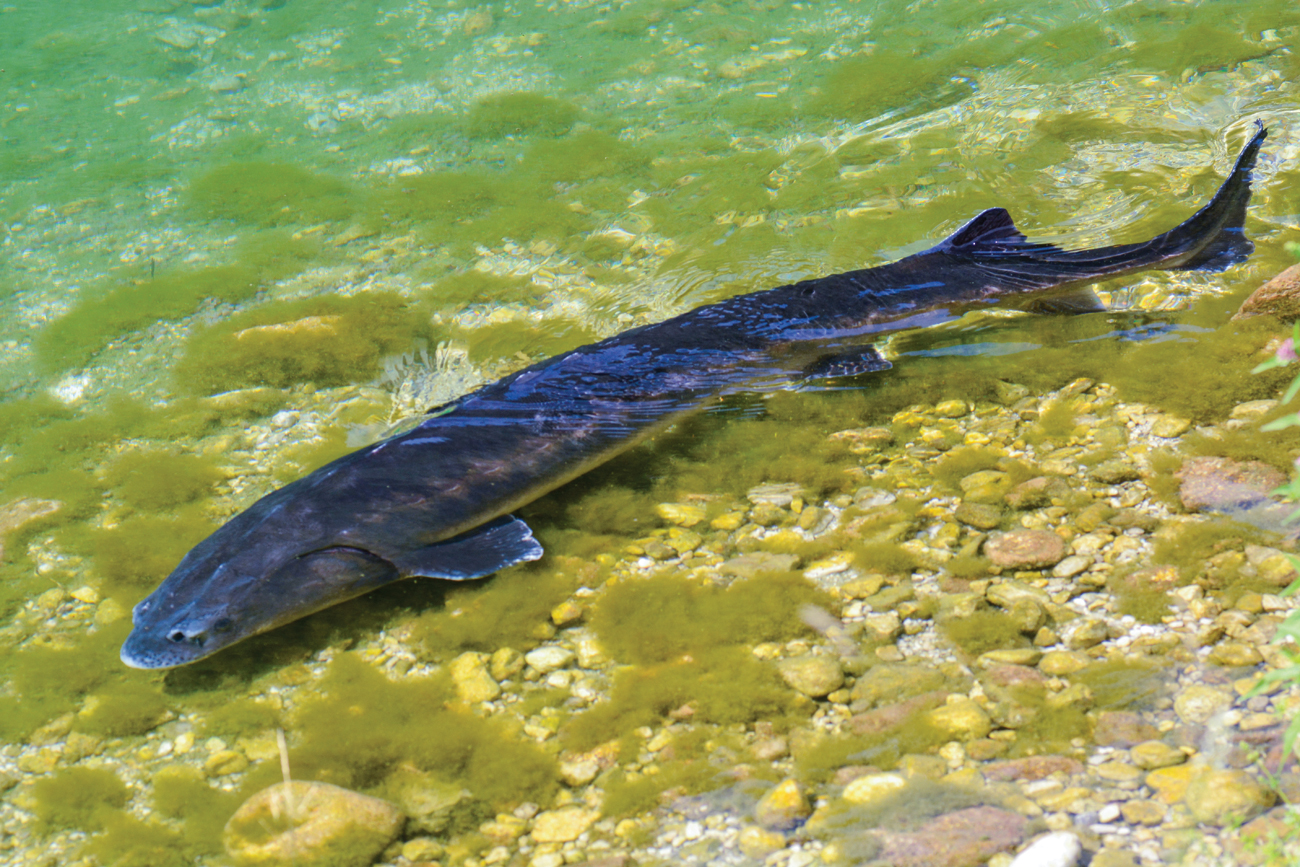
The Russian sturgeon’s migration is disrupted by dams and human pressures. Photo: Bas Kers/CC-BY-SA-NC-2.0.
One Planet
In a way, migration defies the arbitrary lines humans draw on maps. A Kashmir Flycatcher from the Himalaya depends on the central highlands of Sri Lanka and the Western Ghats of India to survive as a species. The migratory pathways of countless animals such as this one weave the planet together, revealing the deep interconnectedness of life and reminding us that survival depends on sharing and protecting the world’s resources. Migration also highlights conservation as a challenge that demands international cooperation. Wildlife on the move depends on people across borders to ensure they can complete their journeys and that their critical habitats are protected, even when these sites lie on different continents. Migration reminds us that the survival of these species requires collaboration, shared responsibility, and a commitment to common goals that transcend human boundaries.
Migration Trivia
~ The Blue Grouse makes the world’s shortest migration, moving only 300 m.
~ The longest recorded migration for a Southern Hemisphere blue whale is approximately 5,200 km.
~ A United Nations report warns that one in five migratory species faces the threat of extinction.
The pronghorn, an antelope, undertakes the longest land migration in the continental United States, following ancient routes that have existed for thousands of years. Yet even a single newly built fence along this path can confuse, delay, or block them. As we chart our development and draw borders across the planet, we must remember the countless species for whom this world has been open and free for eons, and ensure their journeys continue unbroken.
Rithwik Sundar is an Assistant Editor at Sanctuary Asia. He enjoys walking in nature, watching birds, and looking for fish in streams. Most days, he is planning his next adventure into the wild. Lately, he’s also gotten into watching anime.