The Forgotten Wilderness: Indian Grasslands
First published in Sanctuary Asia,
Vol. 46
No. 4,
April 2026
By Asad Rahmani
Across the vast sweep of the Indian subcontinent lies a landscape long misunderstood, frequently dismissed, and quietly vanishing – grasslands. To the untrained eye they may appear empty, even barren, especially when compared with forests clothed in towering trees or wetlands alive with shimmering waters and aquatic and semi-aquatic life. Indian grasslands are not wastelands awaiting improvement; they are living archives of evolution, climate, and coexistence between wildlife and pastoral cultures.
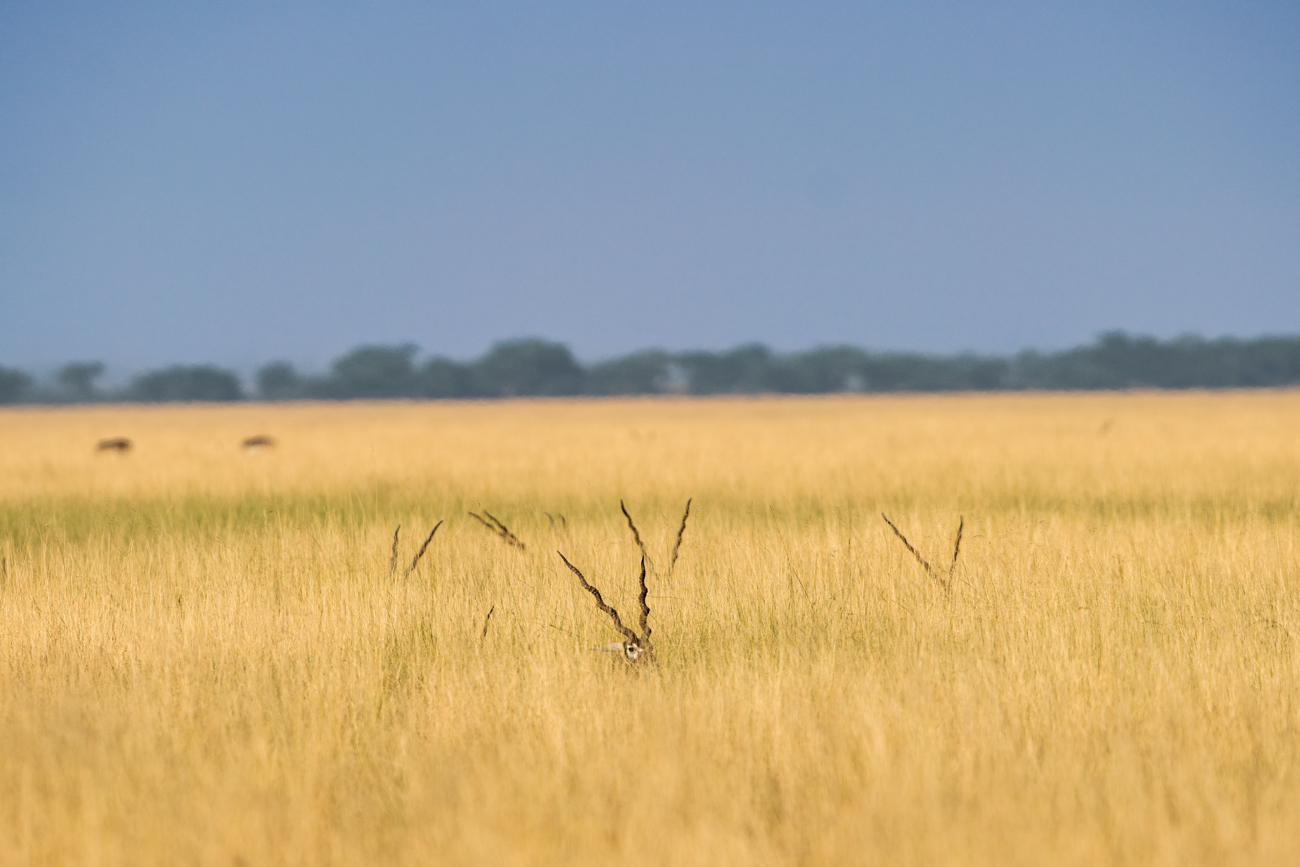
Indian grasslands are not wastelands awaiting improvement; they are living archives of evolution, climate, and coexistence between wildlife and pastoral cultures. The grasslands of Tal Chhapar in Rajasthan are famous for their large blackbuck herds. Photo: Vikram Batra/Sanctuary Photolibrary.
From ‘Wasteland’ To Lost Ecosystem
For centuries, ecological imagination in India has been dominated by forests. Colonial administrators equated tree cover with productivity and conservation, and this perception still survives even after India’s Independence. Land without trees was labelled ‘waste’, a term that has perhaps done more ecological harm than any invasive species. Under this misconception, millions of hectares of natural grasslands were converted into plantations, croplands, industrial sites, and urban expansions. In attempting to ‘improve’ the land, we erased ecosystems that had taken millennia to evolve.
Globally, rangelands – encompassing grasslands, savannas, and shrub-steppes – cover more than 40 per cent of the Earth’s terrestrial surface and sustain the livelihoods of a growing proportion of the world’s rural poor through agro-pastoralism. These landscapes simultaneously provide critical habitat for wildlife, creating complex ecological relationships between domestic and
wild herbivores.
In India, savannas and grasslands together occupy nearly 10 per cent of the national landscape. Yet, in policy frameworks and popular imagination alike, these ecosystems have long been viewed as degraded remnants of forests. Consequently, they are frequently targeted for large-scale tree-planting programmes intended to restore presumed forests and enhance carbon sequestration. Such well-intentioned interventions often overlook the ecological identity of savannas, risking the replacement of biodiverse open ecosystems with ecologically inappropriate plantations. For example, in the Dudhwa National Park, where we worked on the Bengal Florican and other species, most of the grasslands were planted by teak, leaving very little habitat for the florican, Swamp Francolin, munias, prinias, swamp deer and hispid hare.
Hidden Grassland Biodiversity
Grasslands in India are remarkably diverse. They range from the semi-arid savannas of western India and the rolling plateaus of the Deccan to the tall alluvial grasslands along Himalayan rivers, shola grasslands of the Western Ghats, and the alpine meadows that bloom briefly under melting snow. Each type is shaped by rainfall, soil, fire, grazing, and seasonal extremes. Unlike forests, grasslands thrive on disturbance. Grazing ungulates, periodic fires, and climatic variability maintain their structure and species composition. Remove these forces, and the grassland slowly transforms – first into scrub, then woodland – losing the species uniquely adapted to open habitats. Or, they degrade into a barren landscape.
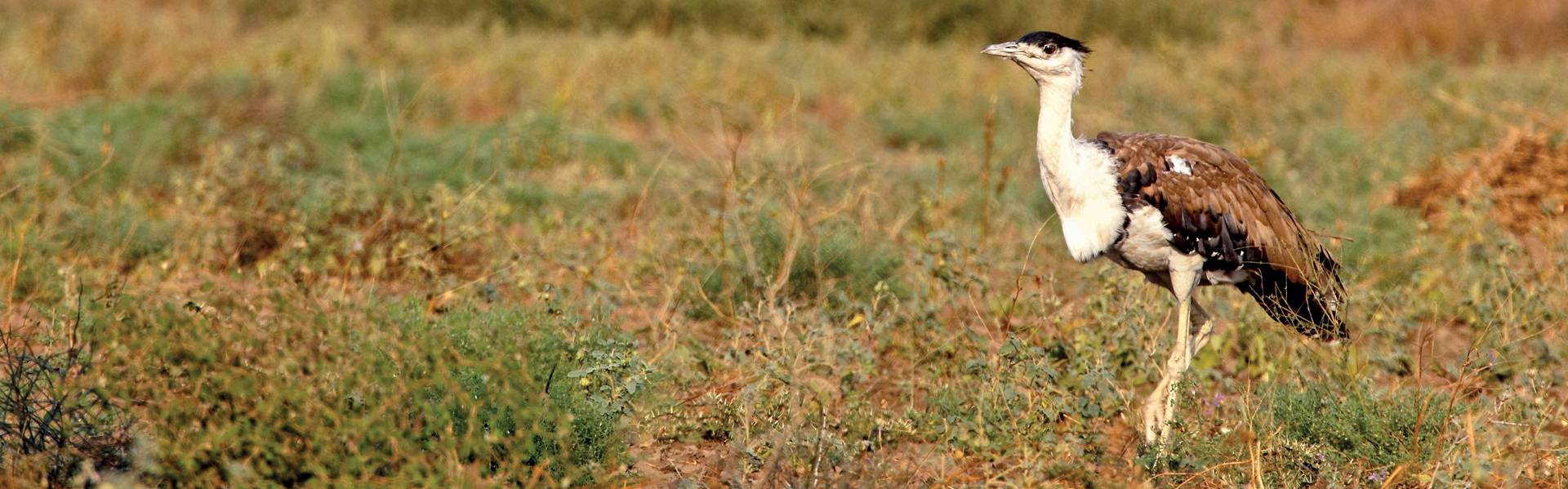
Despite their importance, grasslands have undergone a far higher rate of conversion than forests, even as forest conservation has advanced more rapidly in advocacy, funding, and policy attention. Grassland biodiversity has consequently become among the most threatened on Earth. Avian communities have suffered severe declines; in North American grasslands alone, more than 60 per cent of endemic bird populations have disappeared since the 1970s. India is no different. The case of the Great Indian Bustard, a bird of the short grass plains, is well-known. Its dependence on large undisturbed landscapes, and vulnerability to infrastructure such as power lines have pushed it to the brink. Their survival strategies reflect adaptation to visibility, camouflage, and mobility rather than concealment within forests. Ground-nesting behaviour, elaborate courtship displays, and seasonal movements evolved in response to open horizons and fluctuating resources. The bustard’s plight mirrors that of the ecosystem itself – gradual decline unnoticed until crisis becomes unavoidable. The same fate is faced by the Lesser Florican, whose dramatic breeding displays once animated monsoon grasslands. Males leap vertically above tall grasses, their sudden appearance and disappearance resembling fleeting sparks in a green sea. Such behaviours evolved in landscapes where uninterrupted visibility allowed communication across distances. As grasslands shrink and become fragmented, these displays lose both stage and audience. The exhaustive study by Dr. Sujit Narwade of the Bombay Natural History Society has highlighted the considerable decline of grassland birds such as the Indian Courser, Common Sandgrouse, larks, and munias in the Deccan area.
Grasslands also harbour wolves, foxes, blackbuck, chinkara, and a remarkable diversity of reptiles and insects. Pollinators flourish in seasonal blooms, while rodents and invertebrates sustain complex food webs. Raptors, such as the Red-headed Falcon, depend on open terrain for hunting, and migratory birds such as larks, pipits, sandgrouse, use these landscapes as winter refuges. Remove grasslands, and entire ecological networks collapse.
Ecologically, grasslands are engines of productivity. Their dense root systems bind soil, prevent erosion, and store vast quantities of carbon underground. During the monsoons, they absorb water like sponges, reducing floods and replenishing groundwater. In dry months, they sustain pastoral livelihoods and wildlife alike. What appears sparse above ground is matched by extraordinary biological activity below, where networks of roots, fungi, termites, ants, beetles, and microorganisms sustain nutrient cycles essential to ecosystem health.
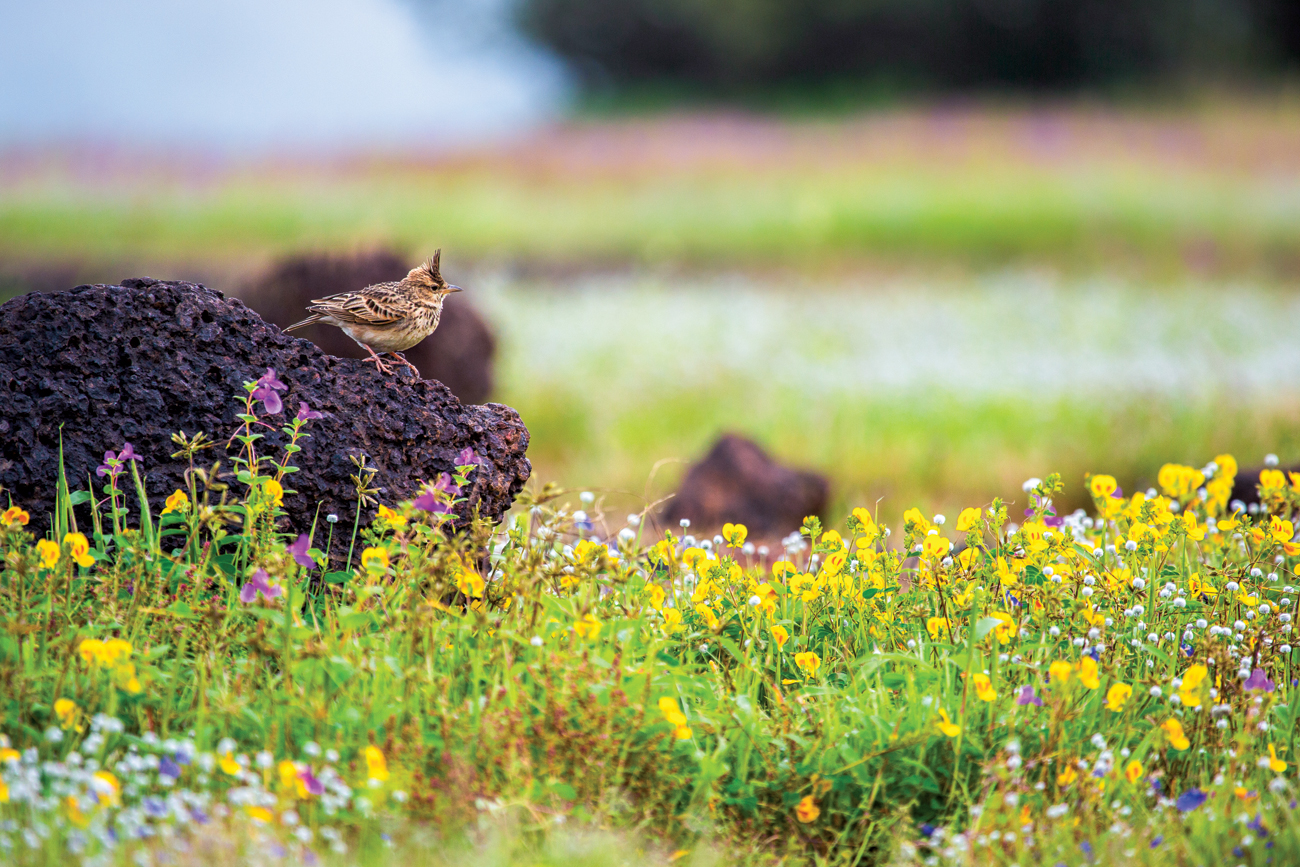
Grasslands in India are remarkably diverse. They range from the semi-arid savannas of western India and the rolling plateaus of the Deccan to the tall alluvial grasslands along Himalayan rivers, shola grasslands of the Western Ghats, and the alpine meadows that bloom briefly under melting snow. Each type is shaped by rainfall, soil, fire, grazing, and seasonal extremes. A Malabar Lark Galerida malabarica sits pretty in the seasonally flowering plateau of Kaas, Maharashtra. Photo: Pushkar Achyute/Sanctuary Photolibrary.
For decades, this neglect was reinforced by deeply rooted assumptions about origin and authenticity. Most ecology books say that Indian grasslands have arisen through human-driven forest destruction. If such habitats were merely secondary formations, one would expect them to harbour few, if any, endemic species, despite the fact that most grassland types do host endemic species such as the Nilgiri tahr and Nilgiri Pipit in the Western Ghats.
Emerging ecological research tells a markedly different story. Evidence increasingly points to the antiquity of Indian savannas and to a biodiversity far richer than previously imagined. A principal argument historically used to dismiss these ecosystems – that they lack endemic species –has proven untenable. A comprehensive review of plant species restricted to the peninsular savannas by a team of scientists has identified at least 206 endemic plants. Their distribution reveals striking regional concentrations: undivided Andhra Pradesh supports 88 endemic species, Tamil Nadu 78, Karnataka 61, and Maharashtra 54, while other states harbour smaller yet significant assemblages. Seventeen of these plants are already recognised as threatened on the IUCN Red List, and numerous recently described taxa await formal conservation assessment. Some researchers suggest that the true number of endemic grassland plants in India may approach as many as 500 species.
Endemism itself serves as powerful ecological testimony. Secondary habitats rarely generate high levels of restricted-range species; such evolutionary distinctiveness typically reflects long-term ecological stability. The presence of endemic flora in Indian savannas thus strengthens the argument that these landscapes are ancient ecosystems shaped by climate, fire, herbivory, and evolutionary time rather than recent human disturbance alone.
Pastoralism And Other Challenges
Yet conservation challenges in grasslands differ fundamentally from those in forests. Forest protection often involves restricting human presence, but grasslands have historically coexisted with pastoral communities. Nomadic and semi-nomadic herders shaped these ecosystems through controlled grazing patterns, seasonal movement, and intimate ecological knowledge. Livestock grazing, when moderate and rotational, maintains habitat heterogeneity beneficial to wildlife. The challenge lies not in excluding people, but in sustaining traditional practices while preventing overgrazing, land conversion, and industrial pressures.
Many pastoral societies, such as the Masai of Africa, Bakerwals, Gujjars and Changpas of the Himalayas, Maldharis and Rabaris of Gujarat, Dhangar and Banjara of the Deccan, and Todas of the Nilgiris, have evolved their own cultures, taboos, and mobile land use systems. They also conserve indigenous varieties of livestock. Modern conservation increasingly recognises pastoralism as a co-evolved ecological system, rather than a driver of degradation – especially relevant for India’s neglected grassland biomes.
Modern development has introduced new threats. Renewable energy infrastructure, though essential for climate mitigation, often overlaps with prime grassland habitats. Wind turbines, solar installations, transmission lines, and roads fragment landscapes and create mortality risks for large birds. They also disrupt the movement of pastoralists, besides taking away their grazing lands. Conservation planning must therefore reconcile climate goals with biodiversity protection, ensuring that green energy does not inadvertently eliminate already endangered ecosystems and pastoral communities.
Agricultural intensification has also reshaped grasslands. Expansion of irrigated farming alters soil structure and vegetation, replacing native grasses with monocultures. Chemical inputs affect insect populations, reducing food availability for birds. Meanwhile, abandonment of traditional grazing in some regions leads to shrub encroachment, demonstrating that both excessive use and total exclusion can harm grassland ecology. Invasive species such as Neltuma juliflora (earlier Prosopis juliflora) thrive in disturbed grasslands. One of the greatest obstacles to grassland conservation remains perception. Forests inspire emotional attachment; grasslands demand ecological understanding. Their beauty is subtle – found in shifting light across waving grasses, the sudden flush of a coursing bird, or the quiet persistence of life adapted to extremes. Conservation therefore requires not only scientific research but cultural reawakening. Society must learn to see value where it once saw emptiness.
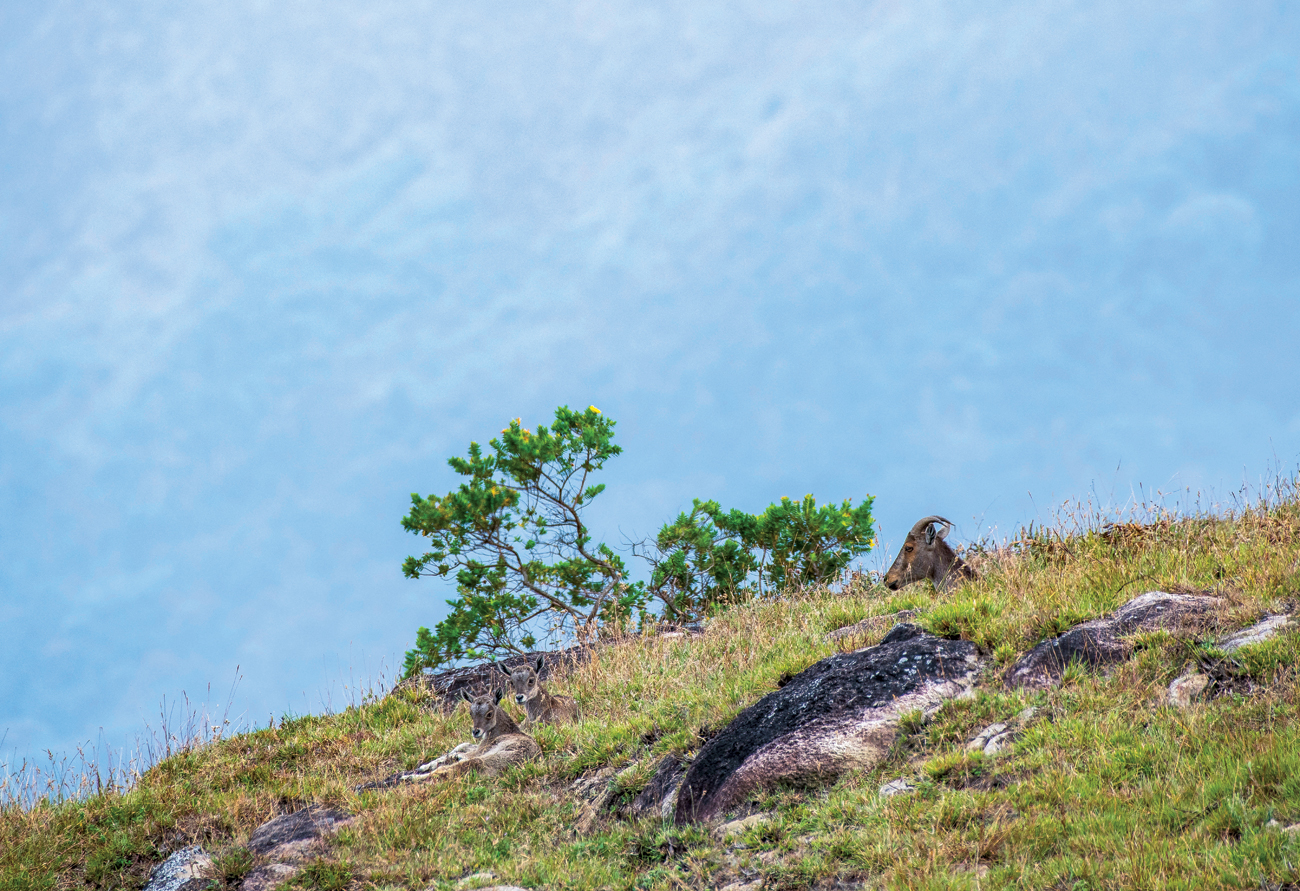
Indian grasslands, including montane shola grasslands, are ancient ecosystems, not merely secondary landscapes shaped by human activity. They support rich biodiversity, including endemic species such as the Nilgiri tahr and Nilgiri Pipit, which are uniquely adapted to these habitats. Photo: Ram Surendar/Sanctuary Photolibrary.
Encouragingly, awareness is slowly growing. Protected Areas established for species such as blackbuck and bustards have demonstrated that grassland restoration is possible. Removal of invasive shrubs, regulation of grazing intensity, and protection of breeding sites have yielded measurable improvements in some regions. Community-based conservation initiatives show particular promise, as local people often possess the strongest incentive to maintain ecological stability. Sumer Singh of Jaisalmer is a fine example: he is fighting to protect his community’s grazing lands in Degrai-mata oran. Orans, like rakhals or beeds of Gujarat and Madhya Pradesh, are grasslands traditionally protected by villagers for their own use.
Scientific research has begun to illuminate the complexity of these ecosystems. Long-term monitoring reveals that grasslands respond rapidly to management interventions, offering hope for recovery if action is timely. Some good examples are Velavadar National Park and Naliya grasslands in Gujarat and Tal Chappar in Rajasthan, where grasslands have been restored and maintained by the Forest Department. Velavadar grasslands have one of the largest roosts of harriers, as does Tal Chappar – though both are more famous for their vast blackbuck herds.
Satellite imagery now allows mapping of grassland extent and seasonal productivity, correcting earlier classifications that misidentified them as degraded forests. Such advances underscore the importance of interdisciplinary collaboration between ecologists, policymakers, and local communities.
Climate change adds another layer of urgency. Grasslands are inherently resilient to climatic variability, yet extreme weather events may alter species distributions and phenology. Some regions may experience intensified drought, while others face invasive species expansion. Protecting large, connected landscapes will allow wildlife to adapt through movement – a strategy difficult in fragmented habitats.
The Future Of Grassland Conservation
Education plays a crucial role. When students visit grasslands, many initially perceive monotony, yet guided observation reveals astonishing diversity – tiny orchids blooming after rain, larks singing invisibly from the sky, and intricate insect communities thriving at ground level. Such experiences transform perception, fostering appreciation that statistics alone cannot achieve. A visit to Kaas plateau in the monsoon will change your perspective of a grassland. Incidentally, the Kaas plateau is maintained by regulated grazing after monsoon flowering is over.
Policy reform remains essential. Official recognition of grasslands as distinct ecosystems rather than degraded forests would fundamentally change conservation priorities. Land-use planning must integrate biodiversity assessments before approving infrastructure projects. Incentives for sustainable pastoralism, compensation for wildlife-related losses, and participatory management frameworks can align conservation with livelihoods.
The story of Indian grasslands ultimately reflects a broader philosophical question: how do societies define nature? If conservation values only dense forests and charismatic megafauna, vast ecological worlds will continue to disappear unnoticed.
Grasslands remind us that biodiversity often resides in subtlety, adaptation, openness, and seasonal transformation.
Standing in a grassland at dawn offers a lesson in ecological humility. The horizon stretches unbroken, grasses shimmer with dew, and life reveals itself gradually – a call from a distant lark, the silhouette of an antelope, the silent glide of a harrier searching for prey. Nothing appears dramatic, yet everything is precisely balanced. These landscapes teach patience, resilience, and coexistence.
India’s conservation future depends partly on restoring this balance. Protecting grasslands is not merely about saving individual species; it is about safeguarding ecological processes that sustain biodiversity, livelihoods, and climate stability. The disappearance of grasslands would represent not only biological loss but cultural amnesia – the forgetting of landscapes that shaped human history across the subcontinent.
Asad Rahmani, Director of BNHS (1997-2015), has authored 26 books, and several scientific papers and articles. His main interest is in grassland and wetland birds. He was also the Executive Editor of the Journal of BNHS, and other BNHS publications.
Godfatherless Grasslands
By M.K. Ranjitsinh
Grasslands and the grassland-forest mosaics are the most productive terrestrial ecosystems on earth. A majority of mammalian species evolved upon them (see page 29), many becoming very prolific with the year-round nutrition available. Some became grassland-specific and non-adaptive to other biomes.
When I drafted the Wildlife (Protection) Act in 1972, and even more so now, the most critically endangered species in India – the barasingha, Manipur brow-antlered deer, hog deer, pygmy hogs, caracals, the bustards, floricans and others – were grassland and grassland-forest mosaic specific animals. But grasslands were not only their abode. Others such as the nilgai and blackbuck thrived here, venturing to raid neighbouring croplands under the cover of night. Blackbuck nibble wheat crop only in the first three weeks of its growth. Howwever, now with the disappearance of grasslands, the nilgai, blackbuck and even livestock, which have no other land to stand upon, live permanently on croplands, trampling at times more than they consume. Many ground-laying bird species – partridges, quails and the sandgrouse in particular – have lost their primary breeding sites with the loss of grasslands.
Back To The Future
Lands in rural areas are under the control of two authorities. The Forest Department exercised control over the Reserve and Protected Forests established under the Forest Act of 1927. The Revenue Department dealt with private lands, communal, and government-owned lands. The last two categories include grasslands for public livestock grazing – the charokhars, beeds, videes and others. And there were vast tracts in the western Himalaya, the arid western India and elsewhere including the lush northeast, which were classified as ‘Wastelands’ and hence became dispensable, irrespective of the fact that they supported animal husbandry and livestock.
After the Mutiny of 1847, the British government took over India from the East India Company and Queen Victoria became the Empress of India. Her daughter was the Kaiserina of Germany and the Germans were then recognised as the greatest foresters of the world, having replanted their Black Forest. Germans – Brandis, Ribbentrop and others – drafted the forestry and forest management policies of India and incredibly, these continue today without much change. Forests were plentiful then and the human population low. Revenue from forests was primary, their ecological importance was unimportant and indeed, almost ignored. The growing and harvesting of timber – teak and sal, oak and pine – were the main, often the only, concern. The other tree species were titled ‘Miscellaneous’ and ignored. Grass – except the lucrative bamboo – was also deemed ‘Miscellaneous’ and extraneous. Grasslands were either planted over with timber species or allotted for human settlements in forests, to provide ‘begar’ (bonded) labour for forestry operations.
Even the invaluable frost hallows in monogamous sal forests became forest villages, depriving the grassland – specific mammalian and avian species, of their only abode in these biomes.
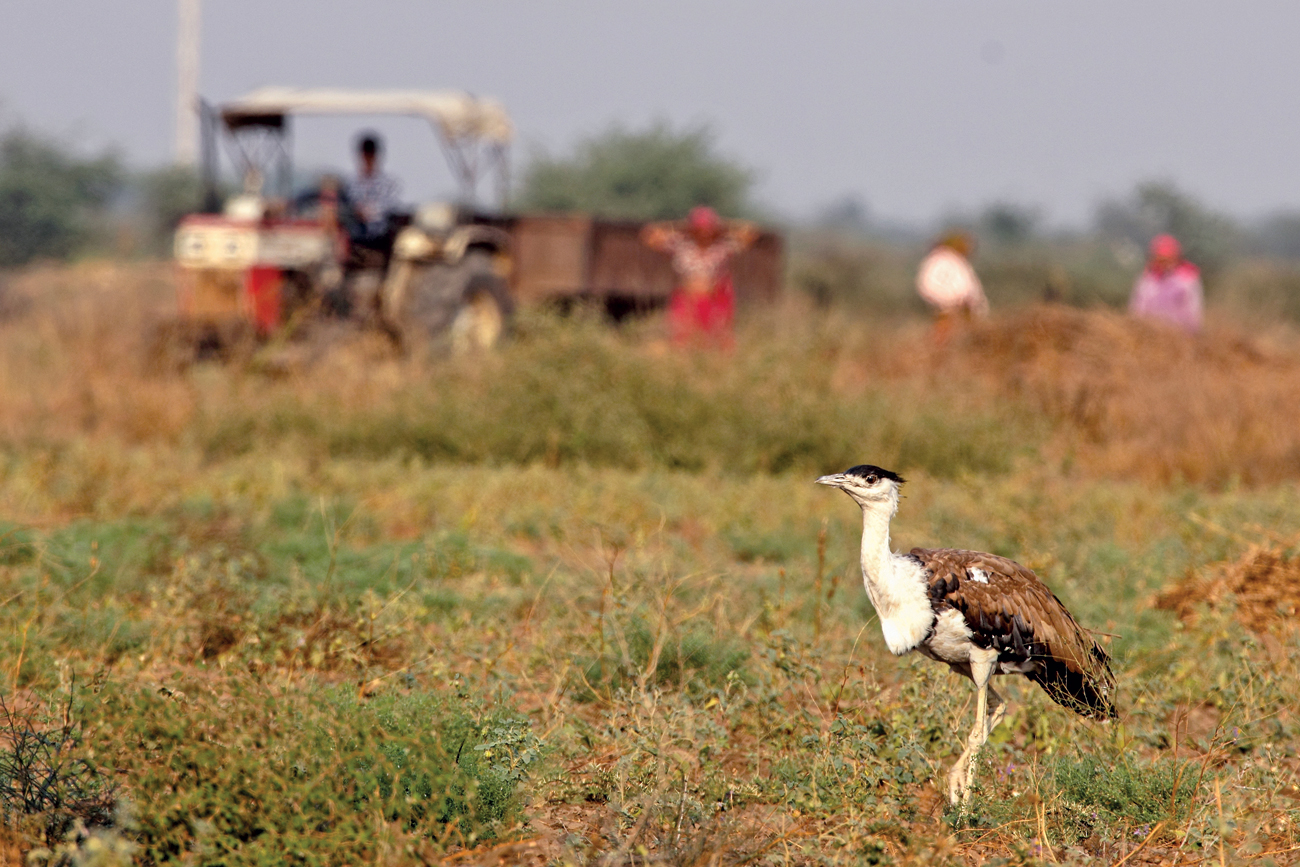
Three grassland sanctuaries that the author established as the Forest Secretary of Madhya Pradesh for the critically endangered Great Indian Bustard, Lesser Florican and others – Sorsan, Sailana and Sardarpur – have been totally denotified. Photo: Kedar Gore.
The other nefarious practice that became a part of forestry operations was regular, rampant burning of grasslands and open forests without any knowledge of its impact on the soil and forest ecology. In teak biomes, fire helps teak regeneration and preponderance, as this tree and its seed are fire-resistant, unlike the other ‘miscellaneous’ species. In sal forests, burning of wet grassland patches hardens the soil and helps their conversion into treelands. Unfortunately, the same ignorance of fire ecology and of the long-term consequences of persistent burning still continue, albeit somewhat less.
When I went to Mandla district as Collector in 1967, the world population of the Central Indian subspecies of barasingha R. duvaucelii branderi was confined to two central meadows of the Kanha National Park, which were also being subjected to repeated burning to show the deer and tiger to visitors, depriving the deer of high grass cover to breed and raise their fawns. The remaining grassland meadows had been converted into forest villages. The relocation of 23 such villages and a better grass burning regime have been the main reasons for the current revival of this barasingha.
The fate of grasslands under the control of the Revenue Department in rural areas was much worse. The landless were the poorest people, reduced to menial labour and seasonal migrations to obtain wages to survive. Large portions of grasslands were diverted to croplands under the Grow More Food Campaign started after the Indian Independence in 1947 and giving away grassland title deeds or ‘pattas’ to the landless, became the most popular pastime of politicians and district collectors.
When I was appointed Collector of Dhar district in Madhya Pradesh in 1965, the then Agriculture Secretary of the state specially directed me to distribute to the landless the ample grasslands that then existed in Dhar and which, to a limited extent, I did.
When the Narmada dams were constructed in Madhya Pradesh and Gujarat, the compensatory afforestation that was carried out by the Gujarat government was by planting the pestilent and persistent ‘pardesi babul’ Neltuma juliflora on the Banni grassland of Kutchh, arguably the most productive grassland of India and which, therefore, devastated the grasslands and the livelihoods of the local pastoral communities. Just recently, the Government of Gujarat has sanctioned some Rs. 85 crore to clear the Neltuma of Banni, which was planted by the government itself. Between the years 1880 and 2020, India lost 26 million ha. of forests (from 89 million reduced to 63 million) and 20 million ha. of grasslands/shrublands (from 45 million reduced to 25 million). In contrast, croplands have increased by 48 million ha. (from 92 million to 140 million) during the same period. (Hanguin Tan, Kamaljit Banger, Tan Bo, V.K. Dadhwal, 2014 ‘History of land use in India during 1880-2010: Large–scale land transformations reconstructed from satellite data and historical archives,’ ELSEVIER Global and Planetary Change. 2014.)
India has promulgated a slew of forest policies. In piloting the prevalent Forest Policy as a functionary of the Union Ministry of Environment and Forests in 1988, I tried to incorporate in it aspects of grassland management. Subsequently, both while in service and in retirement, I tried to persuade various governments of different political parties to adopt a National Grassland Policy. I failed. India has the largest livestock population in the world, almost entirely dependent upon free rangeland grazing and the livelihoods of millions depend upon them. A grassland policy would imply regulation of the extent and timing of grazing, of rational use of grasslands, which is not politically acceptable. Even the three grassland sanctuaries I established as the Forest Secretary of Madhya Pradesh for the critically endangered Great Indian Bustard, Lesser Florican and others – Sorsan, Sailana and Sardarpur – have been totally denotified. Other grassland sanctuaries in Gujarat, Rajasthan, Maharashtra, Karnataka and elsewhere have been reduced.
Grasslands across the country continue to be reduced, abused and over-used. The nation is paying for this profligacy, for there is no ‘free lunch’ in nature and ecology.
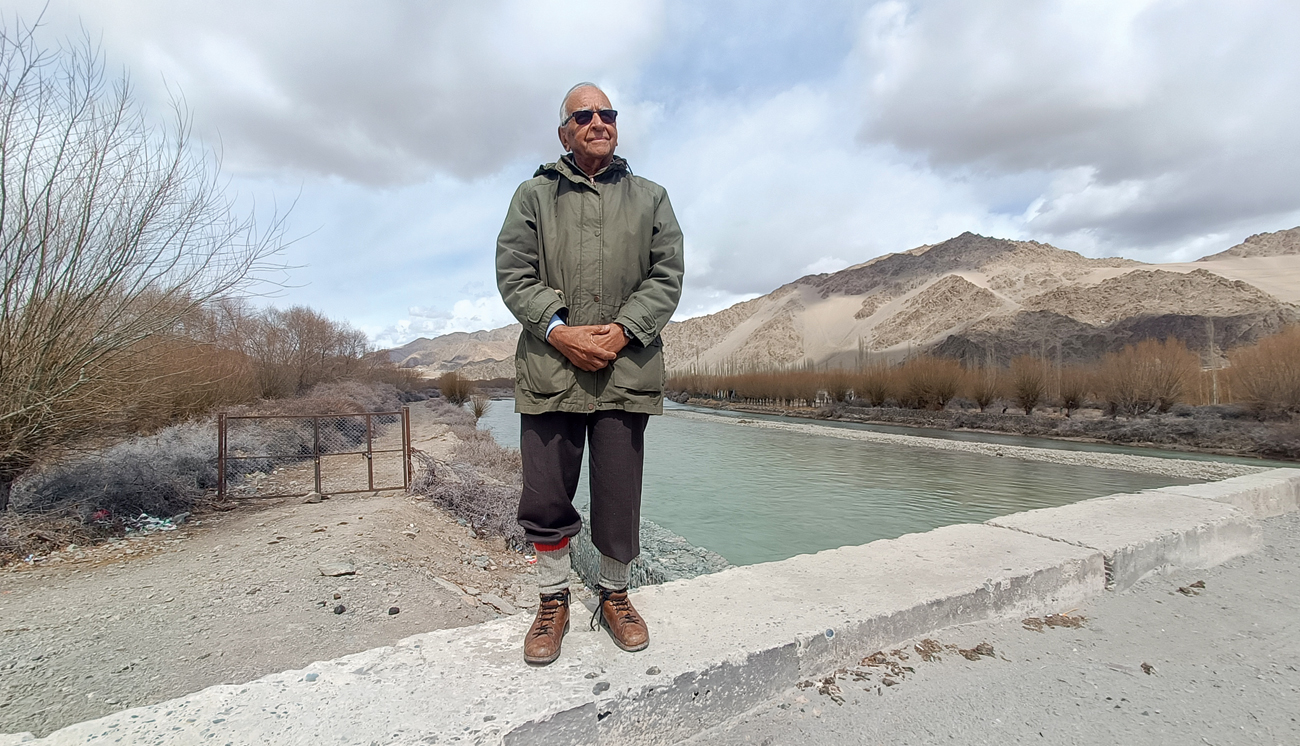
M.K. Ranjitsinh is an author and an authority on wildlife and nature conservation from India, and one of the prime architects of India’s Wildlife (Protection) Act of 1972. He helped save the Central Indian barasingha from extinction as part of the Indian Administrative Services. He served as the country’s first Director of Wildlife Preservation under the Environment Ministry from 1973 to 1975.
Which Came First: The Grass or the Grazer?
By Dr. Seshadri K.S.
When one thinks of a grassland, it likely conjures up images of the African savanna, with herbivores grazing in the foreground and a lone tree in the background. It would logically follow that the great diversity of mammals that occur in grasslands evolved with the grasslands. Recent studies provide evidence that grassland-mammal evolution is more complex than previously thought. Grass belongs to the family Poaceae, and there are over 11,700 species, varying in size from a few centimetres to tall bamboo, occupying areas from the arid regions of the world to lush green mountaintops. Grasses play a crucial role in shaping the Earth’s climate as they are reservoirs of biomass that they produce by sequestering carbon dioxide. Grassland ecosystems are also increasingly recognised as a crucial reservoir of biodiversity globally.
Photosynthesis
“When and where did grasslands evolve?” has been a recurring theme in evolutionary biology. Answering these questions requires a wealth of information drawn from various fields such as field biology, taxonomy, genetics, and palaeontology. A bit of high school biology also becomes relevant here.
Photosynthesis is essential for plants to grow, producing biomass. Although nested in one family, grasses have two distinct ways in which they photosynthesise. Most grasses are classified as C3 and are found in cool, temperate environments. The other group, C4, are found in warm tropical environments. The two pathways differ in the mechanism of absorbing atmospheric CO2 to produce glucose. C4 is the more efficient of the two.
Record Keepers
Fossil records offer a window into the past. Plant fossils include macroscopic material such as leaves, stems, and seeds, as well as microscopic material such as pollen and silica bodies found in grasses called phytoliths. The phytoliths differ across plant groups, and a close examination can indicate which forms existed in the past.
Contrary to popular belief, fossil records are incredibly poor, especially in the warm tropics, where degradation of organic material is much easier compared to the cold, stable environments in the temperate regions. While fossils can tell us about ancestral lineages of grasses, genetics helps us understand the relationships between species. While extracting genetic material from fresh specimens can be easy, doing so from fossils can be a challenge.
Organisms that depend on grasslands give us an opportunity to examine the past. The tooth structure of both present-day and extinct mammals can tell us about what they eat. Because plants have high concentrations of silica, eating them is like chewing sandpaper. Mammals that feed on grass were thought to have evolved teeth with a high crown, having a greater proportion of enamel that gradually wears down, a condition called hypsodonty. Thus, the presence of hypsodont mammals was thought to correspond to the time when grasses evolved. In recent years, studies of carbon isotopes have provided critical evidence to establish the chronology of grassland evolution.
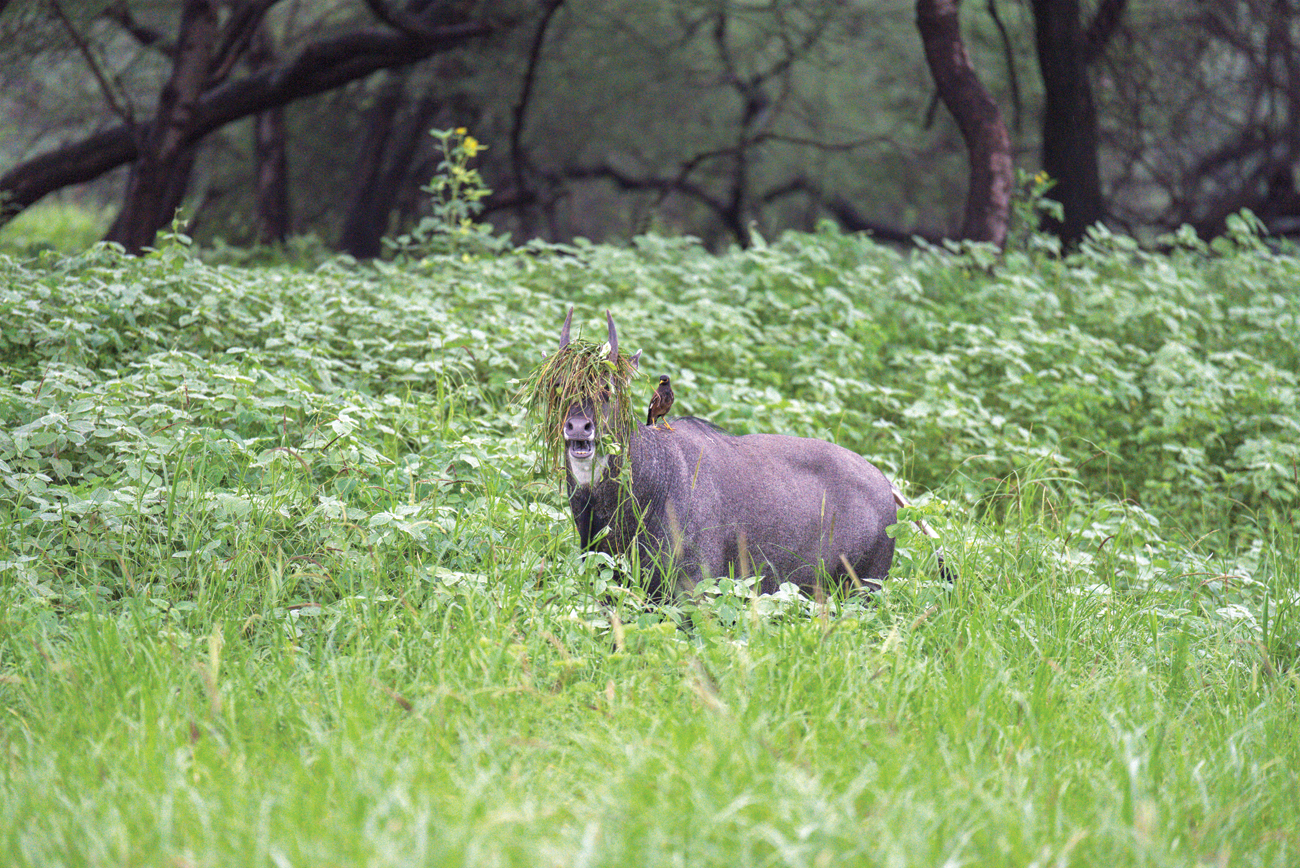
The tooth structure of living and extinct mammals reveals clues about their diets. Because plants contain high levels of silica, eating them is comparable to chewing sandpaper. As a result, mammals that graze on grasses were believed to have evolved high-crowned teeth with a greater proportion of enamel that wears down gradually – a condition known as hypsodonty. Therefore, the presence of hypsodont mammals was once thought to coincide with the evolutionary rise of grasses. Photo: Rashmi Tribhuwan/Sanctuary Photolibrary.
An Evolutionary Trail
Grasses start showing up in the fossil record from the late Cretaceous period, 66 to 70 million years ago (MYA). However, these plants were likely rare and sparsely distributed. The origin likely happened in the supercontinent called the Gondwana, which derives its name from the Gond tribes of Central India. Researchers were able to determine this by examining coprolites (fossilised dung of dinosaurs).
However, the trajectory of grasses dominating and forming grassland ecosystems was a multi-step process. The earliest evidence of open grassland habitats is thought to be from southern South America, around 40 MYA. Here, there was evidence of phytoliths and scratches on the hypsodont fossils. Mammals also start showing up in fossils in just about two million years (~38 MYA). The hypsodont fossils with scratch marks are likely telling a tale of the mammals feeding on plant matter, covered with volcanic dust and not necessarily entirely dependent on grassland ecosystems.
In North America, grasses show up about 34 MYA and grassland habitats form around 22 MYA. A couple of million years passed until mammals that graze came to dominate these habitats, around 18 MYA. A similar pattern is seen in Africa as well. Grassland habitats formed around 20 MYA, but the mammals came to dominate only a few million years later, around 18 MYA. In contrast, parts of Eurasia tell a different story. While grass evolved ~30 MYA, open grassland habitats emerged around 15 MYA, coinciding with the prevalence of grazing mammals. In South Asia, primitive forms of grass appear as early as 66 MYA, but grassland-dominated habitats form around eight MYA, after a massive lag, and this coincides with the mammals dependent on grasslands dominating them.
Climate Change
When grass started evolving, there were much higher levels of atmospheric carbon dioxide compared to today. Therefore, the less efficient C3 method was still working fine for grass to build biomass. The rise of the Himalaya and the subsequent weathering reduced the atmospheric CO2, and the plants likely evolved the C4 pathway to effectively produce biomass.
Across all the continents, C4 plants evolved much more recently, between 10 and five MYA, with the exception of Australia. The environment also underwent a dramatic shift from moist to being seasonal, with distinct dry periods. The C4 mechanism allowed plants to utilise water effectively, and these plants could dominate the grassland ecosystems. In addition, with increased aridity, the cycles of fire increased and C4 plants were at an advantage compared to trees, which have a C3 pathway and are less capable of recovery from fire. Grasslands dominated by C4 plants help in retaining grassland systems as they are prone to fires and woody saplings die out.
Nature’s Answer To A Healthy Planet
India is home to some of the most primitive forms of grass. They are nature’s answer to a harsh environment. Yet today, these resilient systems face their greatest threat not from the climate, but from land-use change and the misconception that a landscape without trees is empty.
A grassland is not a landscape waiting to become a forest; it is a climax ecosystem. Yet, we continue to describe them as wastelands and subject them to large-scale land-use conversion. They are ancient, distinct biomes that established themselves over eight million years ago, long before the first axe was ever swung. By afforesting these landscapes today, we are effectively erasing an evolutionary heritage that took nature millions of years to assemble.
To conserve the myriad forms that call grasslands home, we must first respect the antiquity of the grass. After all, a humble blade of grass managed to defy a forest, outlast the dinosaurs, and feed the rise of civilisations.
Further reading: Strömberg, C. A. E. (2011). Evolution of Grasses and Grassland Ecosystems. Annual Review of Earth and Planetary Sciences, 39(1), 517-544. doi:10.1146/annurev-earth-040809-152402

Dr. Seshadri K.S. is a faculty member at ATREE. He is a naturalist at heart; his work straddles different ecosystems and domains, including evolutionary biology and conservation practice. Fieldwork gives him great joy and a sense of purpose. He enjoys teaching and writing about nature and its conservation.
The Gold Beneath Our Feet
By Anuja Malhotra and Abi T. Vanak
On World Environment Day (June 5), something wonderfully predictable happens across India every year – politicians, school children, techies, and people from all walks of life line up to get some dirt under their fingernails, to plant saplings. The headlines proudly announce records of lakhs if not crores of ‘trees’ being successfully planted across the nation, and the mood is genuinely hopeful. The intention is real, and the urgency driving it is righteous. India faces severe land degradation, a biodiversity crisis, and the accelerating pressures of climate change. We need to act now, and we need to act at scale.
However, given that most of these plantation drives fail, it is worth pausing over a question that rarely gets asked in all the planting enthusiasm: where, exactly, are those trees going?
Across India, a significant number of them are going into grasslands. And that is a problem – not because the impulse to restore and green our landscapes is wrong, but because planting trees on grasslands does not restore them. It destroys them.
India’s grasslands and Open Natural Ecosystems (ONEs) – landscapes that cover an estimated 15 to 20 per cent of the country’s land area, sustain some of our most iconic wildlife, and hold more climate value in their soils than most people realise. However, understanding them is not a niche scientific concern. Given their contribution to the economy (Rs. 1.3 lakh crore per year through the pastoralist economy) – it is one of the most important things India can do to get its restoration ambitions right.
Ancient Architectures
The Terai grasslands along the Himalayan foothills once hosted some of the greatest densities of large mammals on Earth, comparable only to the African savannas. The Banni grasslands of Kutchh were woven into the pastoral economies of communities whose knowledge of the land stretches back hundreds of years. The Deccan savannas sustained wolves, blackbuck, Great Indian Bustards, and the intricate seasonal rhythms of Dhangar shepherds who moved across them for generations.
These are not degraded forests, patiently waiting to return to their ‘true’ form. Phylogenetic and paleoecological evidence is unambiguous: grasslands and savannas are ancient, self-sustaining biomes – evolutionarily distinct from forests, shaped over millions of years by rainfall, fire, soil, and grazing. The grasses themselves – sewan, dhaman, anjan, marvel – are not pioneer species marking a transition. They are the destination.
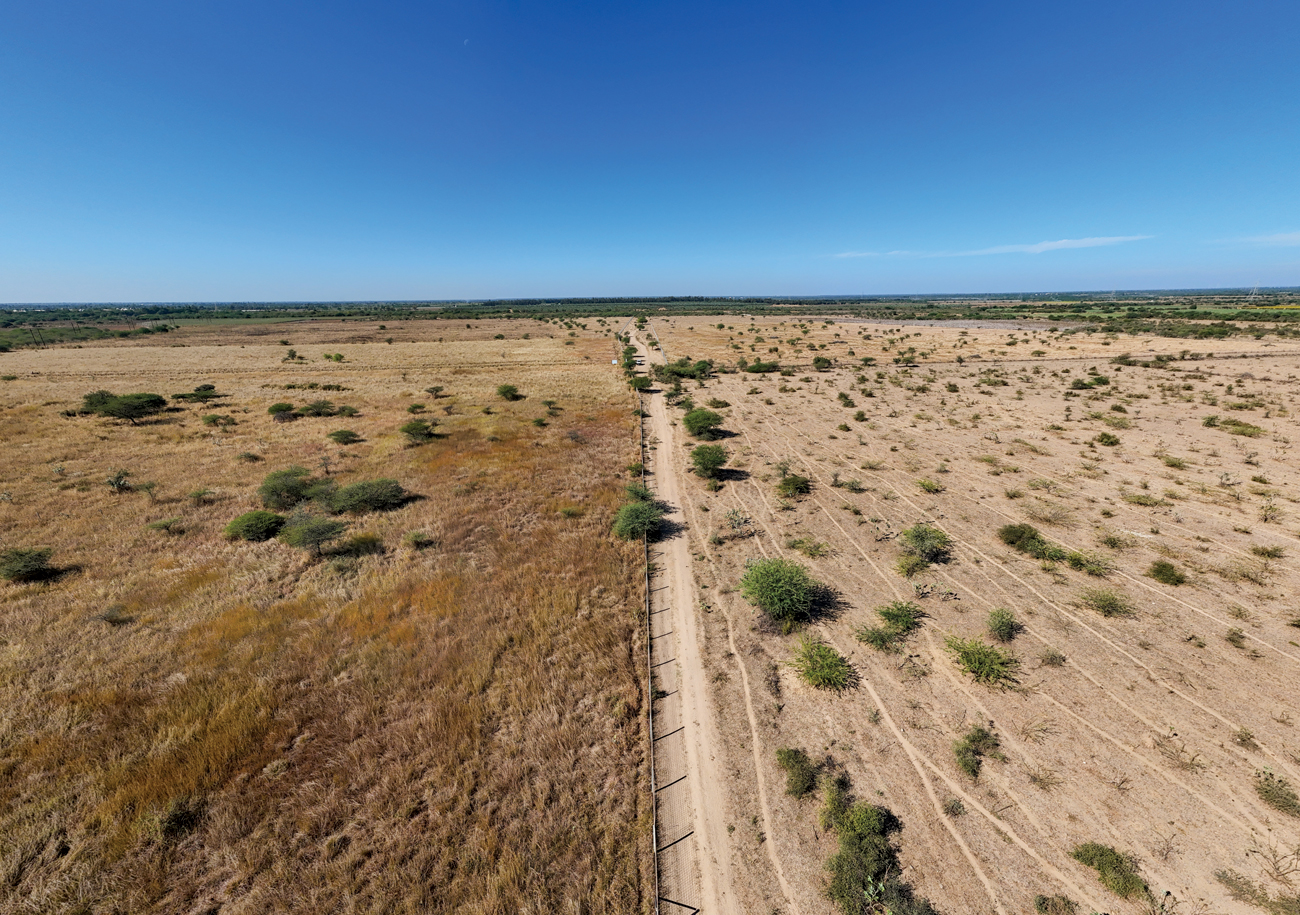
The Corbett Foundation has restored ~400 acres of grassland in Abdasa taluka of Kutchh, Gujarat, transforming Neltuma-infested and overgrazed land (above right side) into a thriving grassland habitat (above left side) supporting 300+ species and benefiting local communities. Photo: The Corbett Foundation.
How We Got Here
The idea that India’s open landscapes were degraded or unproductive is largely a colonial inheritance, and understanding that history helps explain why correcting course is harder than it sounds.
British foresters, trained in European traditions that associated ecological value almost exclusively with closed-canopy forests, arrived in India with no conceptual framework for its savannas and grasslands. The Forest Acts of the 19th century formalised this blind spot: forests were to be protected and managed, while open lands were categorised as revenue land, commons, or tellingly ‘wastelands’. The word implied that these landscapes were not doing anything useful. Hence, the fix seemed obvious: make these lands productive by either converting them to agricultural land through intensive irrigation or carry out high intensity plantation drives.
For what remained, afforestation campaigns followed, often using fast-growing non-native species such as eucalyptus, gliricidia, and African acacia. The intention was understandable but the outcomes have not been ideal. Native grass communities were displaced. Grassland soils, which act like vast slow-release sponges for water, were disrupted by tree roots engineered for rapid, water-intensive growth. The pastoral communities that depended on these commons – the Dhangar shepherds of the Deccan, the Rabari herders of Kutchh, the Bishnoi of Rajasthan – found their grazing lands shrinking without any formal recognition of what was being lost.
This history matters because its classifications are still with us. The Wasteland Atlas of India continues to map millions of hectares of ecologically intact grassland as unproductive land, and the revenue records classify large swaths of lands as ‘culturable or non-culturable wastelands’. That classification, inherited from colonial revenue surveys, now shapes which lands are earmarked for development, afforestation drives, and other infrastructure projects. Updating this classification is one of the most consequential and tractable things India’s land management institutions could do, and it is increasingly within reach.
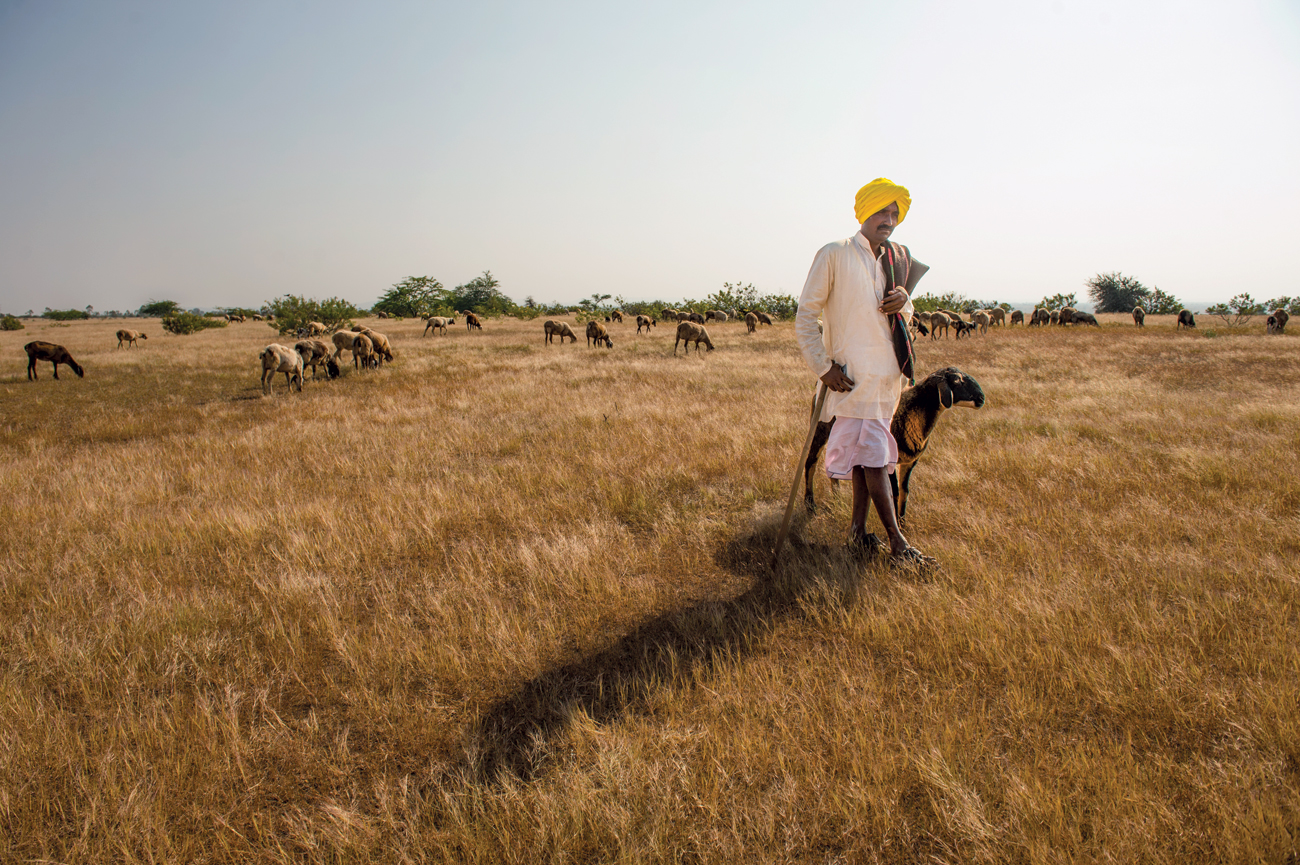
A Dhangar shepherd stands tall with his herd of sheep in Maharashtra. The pastoral communities that depend on these commons – the Dhangar shepherds of the Deccan, the Rabari herders of Kutchh, the Bishnoi of Rajasthan – find their grazing lands shrinking without any formal recognition of what is being lost. Photo: Kalyan Varma.
What A Grassland Actually Does
The case for grasslands is not sentimental. For example, Rajasthan’s open ecosystems cover roughly a third of the state. Karnataka’s grasslands account for at least 10 per cent of its land area. These are not marginal zones. They are the ecological backbone of vast regions, providing fodder security for millions of livestock, groundwater recharge for agriculture, habitat for some of India’s most endangered species, and climate buffering that is only now being appreciated.
On climate, the numbers are striking. Grassland soils are among the most significant carbon stores on earth. Soil in a mature grassland sequesters carbon as effectively as a forest, often more so, and in a form far less susceptible to sudden release. World Soil Day 2025 brought renewed attention to this fact: India’s grassland soils are not a climate liability; they are a climate asset, one whose value only grows as temperatures rise. The most important point to consider is that across most of India’s semi-arid regions, forcing trees into a landscape that cannot support them would demand enormous quantities of water, a resource already under severe stress. In a warming world, that is not a climate solution. It is a climate cost.
Grasslands are also the last refuge for some of India’s most imperilled species. The Great Indian Bustard survives in only a handful of sites, its range reduced to fragments by habitat loss and collisions with power infrastructure. The Indian wolf, one of the most genetically distinct wolf populations in the world, depends on the open Deccan landscape and the pastoral communities who have long coexisted with it. With populations of blackbuck, chinkara, Lesser Florican and Indian fox, the grassland biome constitutes a parallel ark to India’s better-publicised tiger reserves. Yet, these ecosystems receive a fraction of the legal protection afforded to forests. India’s wildlife protection framework is overwhelmingly forest-centric, with most Protected Areas conceived as forest blocks. The grassland biome, which sits largely outside forest boundaries on revenue lands and commons, has historically fallen through the gaps. The encouraging news is that this is beginning to be recognised.
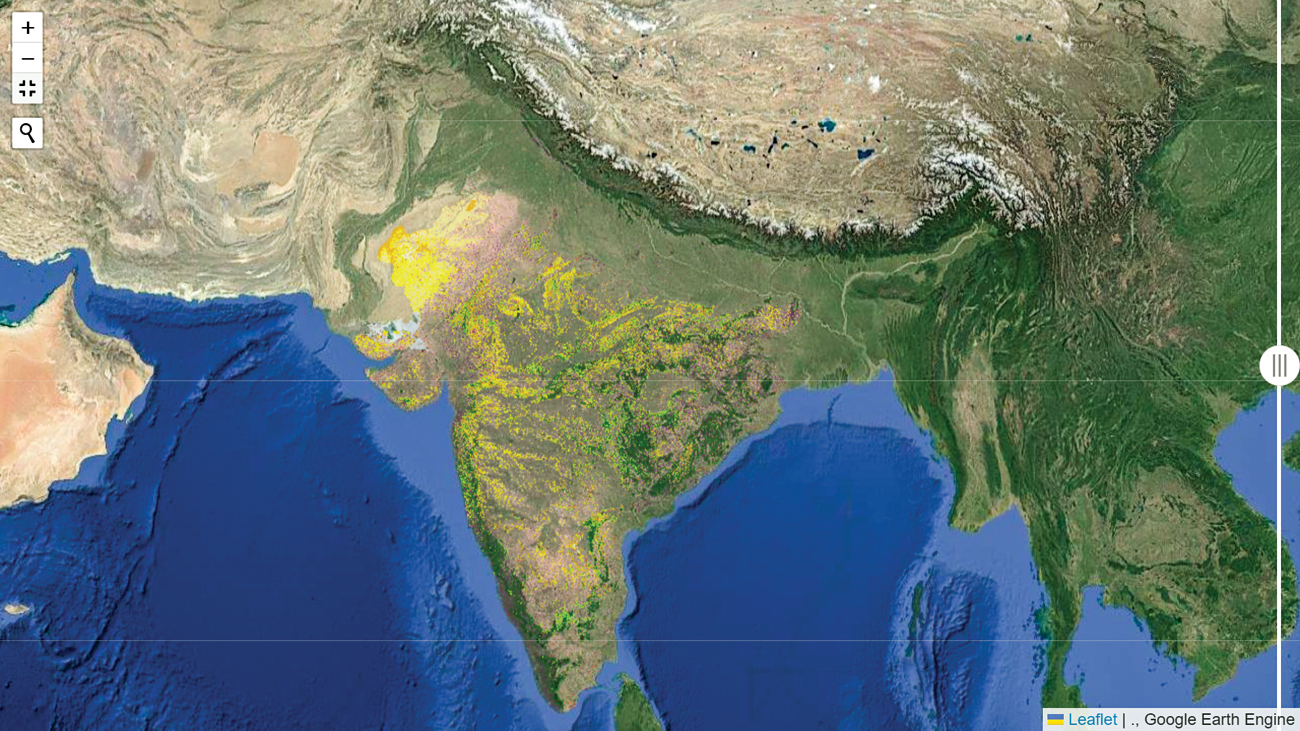
By using refined categorisations, researchers have created a map of Open Natural Ecosystems in India that reveals the larger extent of these ecosystems than can be found in most datasets. The lemon yellow represents savanna-grasslands. Photo: Madhusudan, Koulgi and Vanak 2023.
Knowing What We Have – And What We’re Building
One of the most striking gaps in India’s land governance is the absence of a comprehensive, scientifically validated national map of its grasslands. Data exists, but it is fragmented across agencies, in inconsistent formats, and often reflecting the same historical biases that obscured the value of grasslands. This is beginning to change in significant ways and many agencies are now mapping these ecosystems. It is thus high time to create a national database of grasslands, commons and other important ONEs.
This is imperative, since a major push for conversion of our last remaining ONEs is from large-scale renewable energy plants. Land classified as ‘wasteland’ carries minimal environmental clearance requirements, making it administratively straightforward for project developers. The result is that ecologically intact grasslands have become attractive candidates for solar and wind development not because they are the best sites ecologically or socially, but because they appear unoccupied on paper. The good news is that renewable energy and grassland conservation are not inherently opposed. Genuinely degraded lands (of which India has plenty) can and should host clean energy infrastructure. The challenge is having accurate ecological data to reliably distinguish between land that is truly degraded and land that only looks empty to an untrained eye. That is precisely the kind of information that a robust National Grasslands Atlas would provide, and it is why the knowledge work and the policy work are so deeply connected.
At the state level, momentum is tangible. The oran of Rajasthan – sacred community commons managed by pastoral communities for centuries – are perhaps the most vivid example of what lasting stewardship looks like. These are not wilderness areas from which humans are excluded. They are living landscapes shaped by human presence and care, where seasonal grazing and biodiversity have coexisted in a dynamic equilibrium refined across generations. The Bishnoi, Rabari and Jat communities, who have tended these landscapes, carry ecological knowledge that no remote sensing platform can replicate. There is now a strong grass-roots movement to map and protect these oran from destruction. Any serious policy framework for India’s grasslands must treat this knowledge as an asset, not an obstacle.
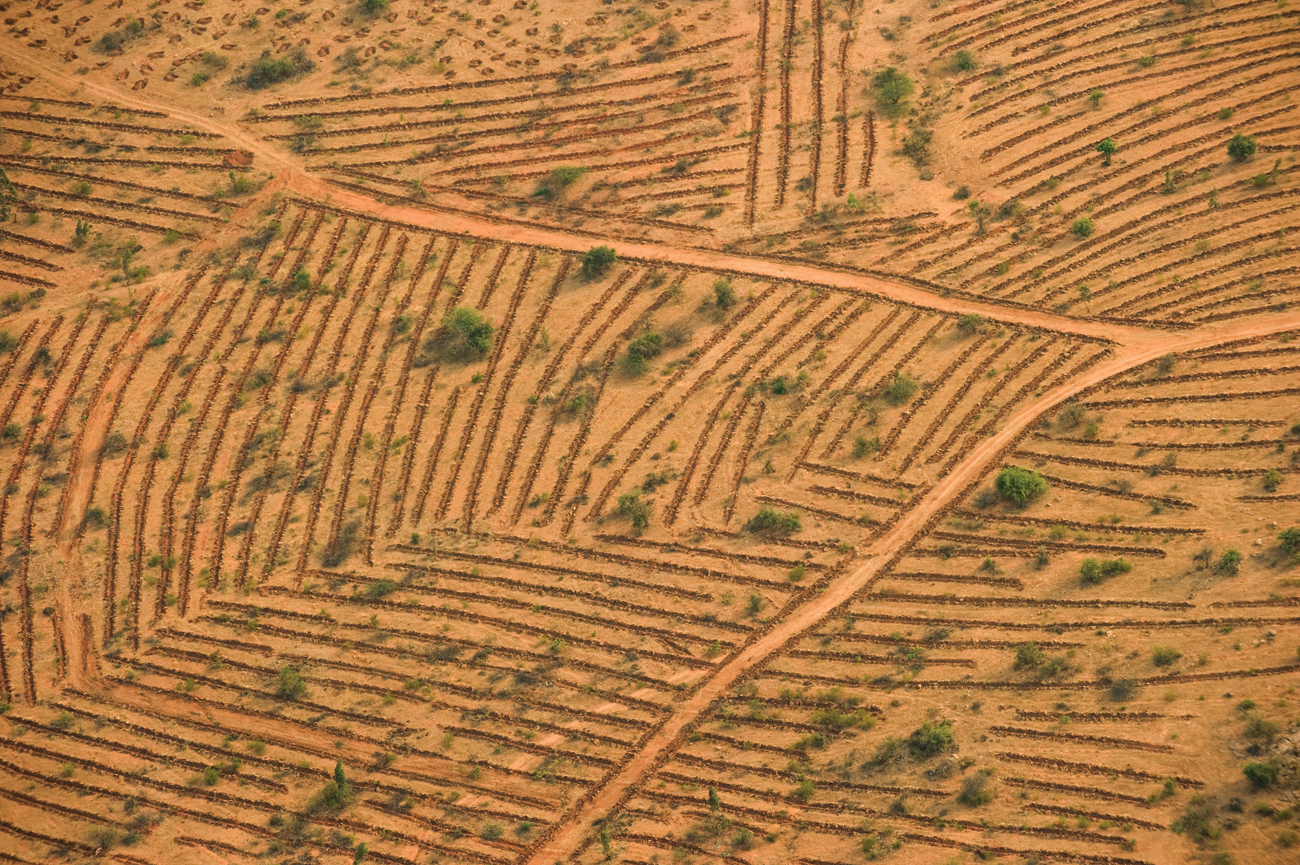
The scraped earth destroys topsoil containing seed banks and nutrients, and planting alien species, often under social forestry or compensatory afforestation programmes, cannot replace the ecological value of natural habitats. Photo: Kalyan Varma.
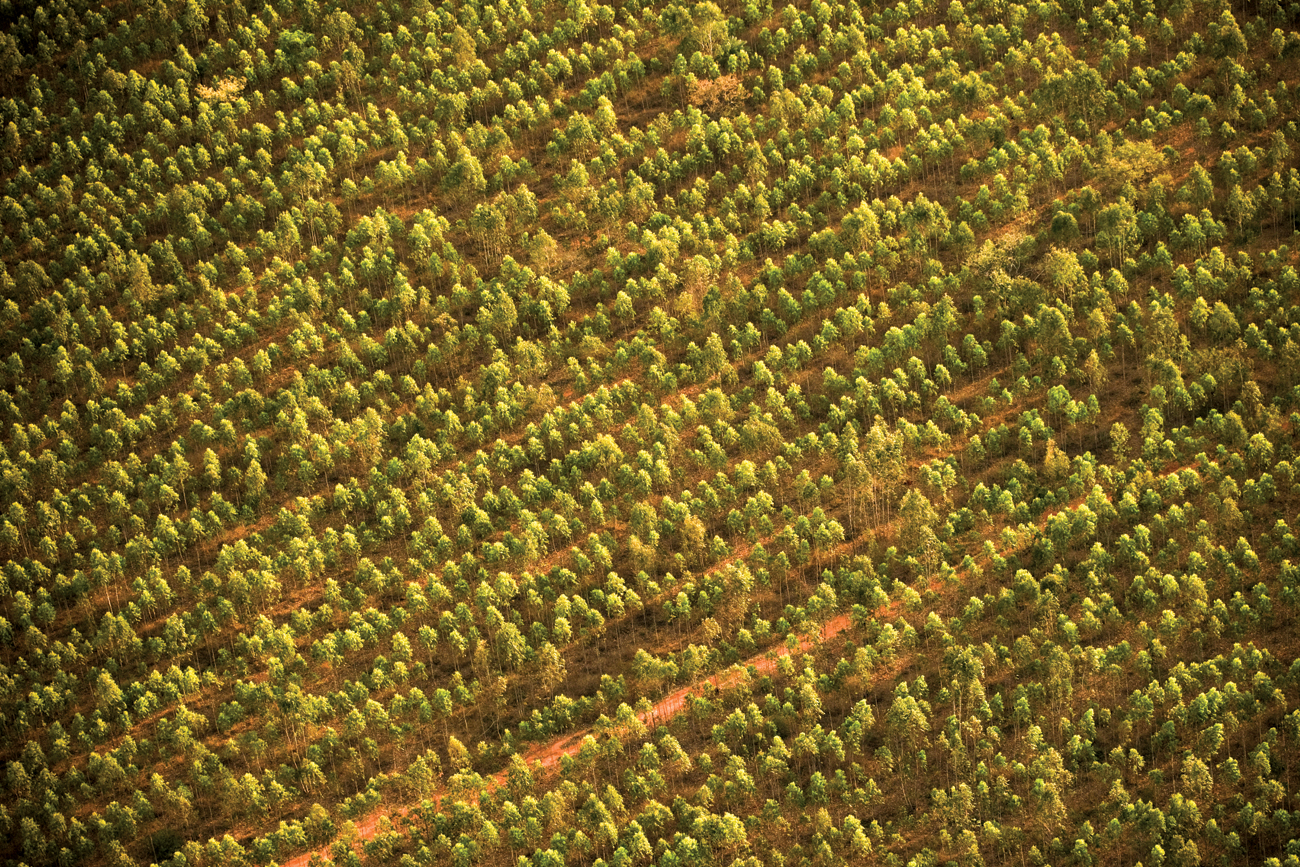
In many parts of India, including Hessarghatta near Bengaluru, the government has been using JCBs to dig pits for planting alien species like Eucalyptus and Acacia. From above, these plantations may appear as dense forests, but on the ground they do not support wildlife and disrupt soil, natural regeneration, and groundwater, especially in arid regions. Dry thorn-scrub and grassland habitats without trees are natural and vital ecosystems. Open Natural Ecosystems like these are critical for wildlife and should not be treated as wastelands. Photo: Kalyan Varma.
Restoration As Possibility
Across India, there is now a growing recognition that just planting trees is not restoration, and definitely not in grasslands. In Rajasthan’s Deshnoke Oran, a 100-ha. site within a 2,100-ha. sacred landscape near Bikaner, native grass seeds were dispersed by hand during the monsoon, root slips of sewan grass planted in shallow pits to avoid disturbing the soil, invasive Senna uprooted from 10 ha., and demilune water-harvesting structures built to slow runoff and support natural regeneration. Camera traps track returning wildlife. Soil cores measure the recovery of organic matter. Women from the local community are employed in every stage, building both livelihood and ecological ownership into the work from the start. Similar grassland restoration stories are playing out across Maharashtra, Karnataka, Tamil Nadu and elsewhere.
This is what restoration looks like when it is done with communities, not for them. It is patient, season-sensitive, ecologically specific work, the kind that earns trust slowly and holds it across years. It is also, the data is beginning to suggest, the kind that works.
Perhaps this year, we will also see politicians, corporates and school children lining up to work with local communities to plant grasses on World Environment Day.
It is after all the green and gold beneath our feet.
Anuja Malhotra is the Policy Manager at ATREE’s Centre for Policy Design, focusing on ecological restoration, the economics of grasslands, environmental policy, and Open Natural Ecosystems.
Abi T. Vanak is the Director of ATREE’s Centre for Policy Design, studying ecology, human-wildlife coexistence, Open Natural Ecosystems, disease ecology, and conservation policy.
India’s Grassland Policy: Missing in Action
By Aparna Watve
Recognising the Indian Grassland crisis, the Wildlife Conservation Society–India hosted a consultation in February 2018 which was attended by grassland ecologists, conservation organisations and policy experts. A background document for the consultation gave an overview of grassland management since historic periods and progress of grassland policy efforts to date. All previous efforts to create a policy that protects grasslands, grazing lands and commons have been abandoned or have failed.
Hence the experts decided to try a new approach. Based on previous research, policy documents, stakeholder meetings and expert consultations, a ‘Grassland Conservation Action Plan’ was designed, which suggests strategic directions to be followed and action to be taken for India’s grasslands. It calls for formal recognition of grasslands as distinct ecosystems and recommends identifying and safeguarding them across both forest and revenue lands. Assessment of the current status of biodiversity and ecosystem services, improving management within forests and revenue lands, integration with social development plans, and futuristic conservation planning followed by training and awareness for the stakeholder groups are the main strategic directions suggested. It emphasises management approaches that maintain native biodiversity, ecological processes and the livelihoods of local communities. A list of activities to be undertaken by different agencies on a short- and long-term basis are added to help achieve conservation outcomes in a time-bound manner.
The Conservation Action Plan (https://www.researchgate.net/publication/334947614_Grasslands_of_India_Suggested_Action_Plan_for_Govt_agencies), along with supporting documents (https://www.researchgate.net/publication/401757210_Background_Document_for_the_Management_of_Grasslands_in_India), was sent to the Honourable Minister of the MoEFCC in April 2019 with a request that the issue be formally discussed by the Standing Committee of the National Board for Wildlife, and that all states adopt and implement grassland management guidelines within a defined time frame. There is no further information on this effort.
Dr. Aparna Watve is Coordinator, RLA, IUCN SSC Western Ghats Plant Specialist Group.