Translating Text Into Action
First published in Sanctuary Asia,
Vol. 44
No. 12,
December 2024
Biodiversity is the foundation of life, supporting everything from food systems and economies to climate regulation. Yet, we are facing the sixth mass extinction. In response to this crisis, the Convention on Biological Diversity (CBD) was established in 1992 to drive urgent action. Every two years, the Conference of the Parties (COP) to the CBD gathers to address these challenges. From October 21 to November 1, 2024, Cali, Colombia hosted COP16, bringing together leaders from 196 nations, experts, and civil society representatives to chart the path forward.
COP15, held in 2022, led to the groundbreaking Kunming-Montreal Global Biodiversity Framework (GBF), which sets a target to halt biodiversity loss and restore ecosystems by 2030, including the protection of 30 per cent of Earth’s land and seas. With only six years remaining to achieve this goal, COP16 focused on accelerating global efforts.
Sanctuary’s Shatakshi Gawade spoke with experts to explore the intricate links between biodiversity, climate, and economics.
Success Laced With Disappointment
After two weeks of long days and nights in plenaries, contact groups and working groups, followed by 24 hours of a sleepless night, the CBD COP16 (see page 77) in Cali left everyone with mixed feelings. Some good outcomes were achieved, but postponing challenging decisions will impact the effective implementation of the GBF.
A momentous achievement was the establishment of a Subsidiary Body and adoption of the Article 8(j) work programme, to enable effective participation of Indigenous Peoples and Local Communities in the Convention on Biological Diversity. Recognising Afro-descendant people was also an important milestone.
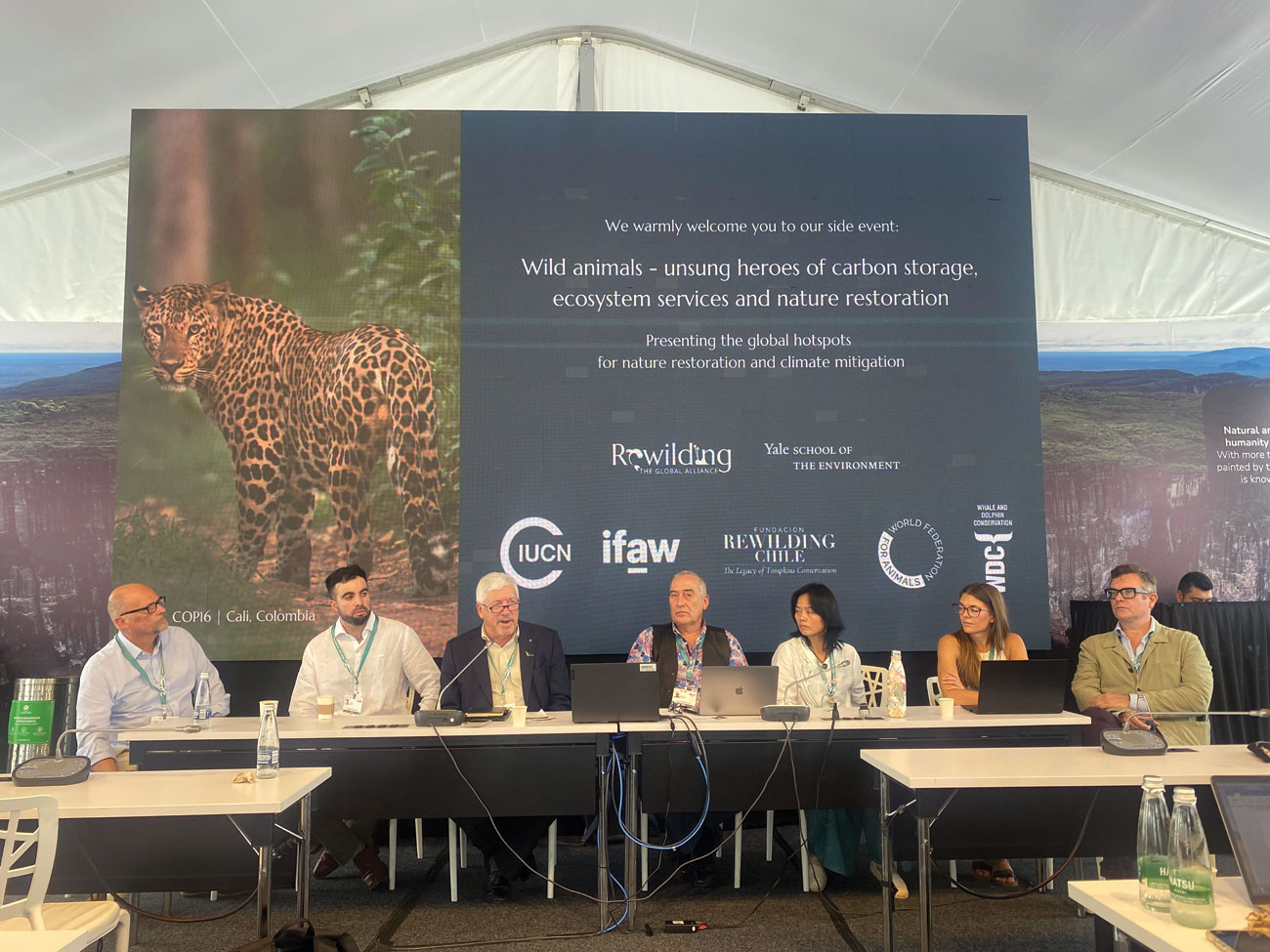
At COP16, many side events highlighted the role of wildlife in combating climate change. Delegates acknowledged that restoring wild animal populations is essential for revitalising ecosystems and enhancing their functionality, a key strategy in addressing environmental challenges. Photo Courtesy: Global Rewilding Alliance.
A crucial step forward was the establishment of the Cali Fund, a new global fund to share benefits derived from the use of digital sequence information (DSI) from genetic resources. The decision states that sectors reliant on DSI from genetic resources in their products should contribute a portion of their profits or revenues to the fund, of which 50 per cent should be allocated to Indigenous Peoples and Local Communities. Disbursement details will be finalised by COP17. Other progress was the mainstreaming of biodiversity across key sectors, with a new government-led Mainstreaming Champions Group launched for the purpose with the support of 18 Parties. The adoption of an action plan on biodiversity and health highlights the cross-cutting nature of both sectors. This should also enable strengthening of the environmental dimension of the One Health Mission in India.
Achieving the target of conserving 30 per cent of ocean areas by 2030 seems to have advanced, through the adoption of procedures for the description of Ecologically Biologically Significant Areas (EBSAs) in the oceans.
COP16 also re-energised the Parties as 44 revised National Biodiversity Strategies and Action Plans (NBSAPs) were submitted, and 119 Parties (63 per cent of the countries) submitted their revised National Targets.
Progress was made in integrating nature and climate efforts. Back-to-back CBD COP and UNFCC COP have urged Parties to explore a stronger collaboration between the climate and biodiversity conventions; commit to strengthening alignment of NBSAPs and Nationally Determined Contributions (NDCs), as well as undertake better tracking of funding sources to avoid double counting of nature and climate finance.
This was truly a ‘People’s COP’ – with more than 23,000 people participating, including a large number of Indigenous Peoples and Local Communities, Afro-descendants, women, and youth, all raising their concerns for Mother Earth.
The establishment of a broader biodiversity fund and decisions on monitoring progress were delayed due to insufficient negotiators. Similarly, negotiations about monitoring progress, focussing on filling gaps in the monitoring framework and on the modalities for a global review process (“stocktake”) in 2026 and 2030 could not be concluded before the COP was suspended.
Developed countries are lagging behind on their commitment to provide US$ 20 billion annually in international biodiversity financing by 2025. Pledges to the interim funding mechanism, the Global Biodiversity Framework Fund (GBFF), in Cali, were meagre. The discord between donor and developing countries, shortly before the meeting suspension, was not surprising, but certainly disappointing.
This raises serious doubts about the effective implementation of the KMGBF. The pathway to halt and reverse nature loss by 2030 was never going to be easy, and with this COP delaying the tough decisions, it’s becoming increasingly clear that we may be losing momentum in the fight to protect biodiversity.
– Vishaish Uppal, Director-Governance, Law & Policy, WWF-India
Rewilding COP
COP16 marked a historic shift in recognising the interconnectedness of biodiversity loss and climate change, moving away from siloed thinking and toward systemic solutions for both challenges. The convention directly recognises that: “biodiversity loss, climate change, ocean acidification, desertification, land degradation, invasive alien species and pollution, among others, are interdependent.” COP16 president and Colombia’s Environment Minister Susana Muhamad has repeatedly described nature and climate as ‘two sides of the same coin’, suggesting a unified response to these global issues.
We have seen encouraging progress with positive wording recognising the role of animals within ecosystems in the official decision texts. A pivotal moment and critical step in bridging the gap between biodiversity and climate policies – wild animals are key to re-animating the carbon cycle.
The convention, in recognising the nature-climate link, gave recognition to wild animal populations: “conserving and restoring biodiversity and ecosystems, inclusive of animal populations, are effective options for mitigation, adaptation and disaster risk reduction and constitute actions towards minimising the impacts of climate change”. Now that is a sentence that packs a punch for our rewilding message!
Biodiversity, that is, the full array of wild flora and fauna, were given credit for supporting the ecosystem services that we all depend on.
As the World Federation for Animals said in their analysis of the COP16, ‘recognising animals as essential stewards of ecosystems reinforces the idea that protecting them isn’t just about conservation – it’s about supporting the very processes that make our planet resilient to climate change’. The convention itself urges countries to “identify and maximise potential synergies between biodiversity and climate actions, including by prioritising the protection, restoration and management of ecosystems and species important for the full carbon cycle and contributing to climate change adaptation”.
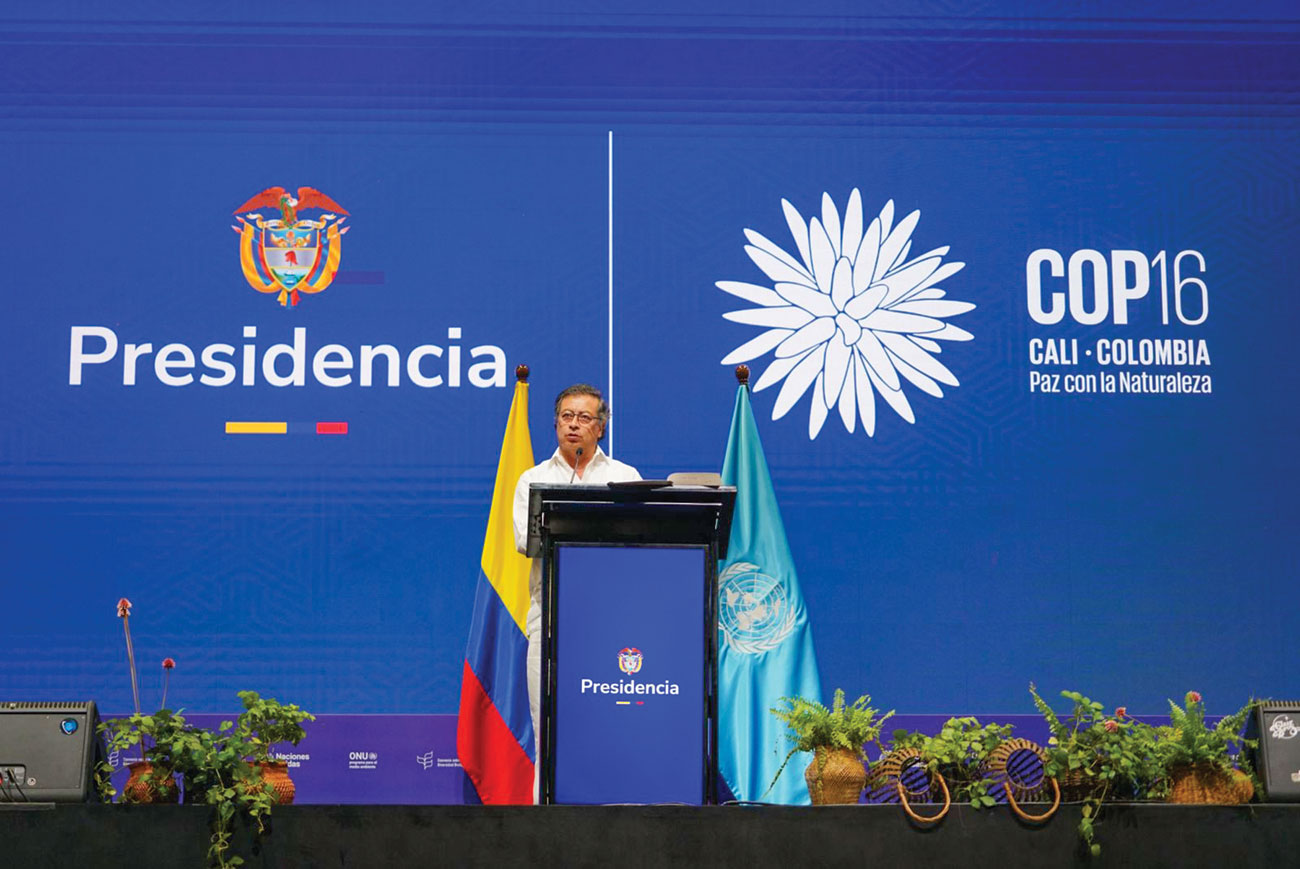
Colombian President Gustavo Petro addresses the audience at COP16 in Cali, emphasising the urgent need for global collaboration to protect biodiversity and promote ‘peace with nature.’ His speech called for transformative action to confront the environmental crisis. Photo Courtesy: Global Rewilding Alliance.
Rewilding could be taking centre stage following the incorporation of sentences such as: “protecting and restoring ecological integrity contributes to addressing both climate change and biodiversity loss”.
Indigenous peoples have long been key stewards of ecosystems, with many intact landscapes under their management. Their leadership is critical for the future of biodiversity conservation. The official place secured for Indigenous people in future policy processes represents a significant step forward.
Karl Wagner, our Managing Director, reflects on COP16: “The Global Rewilding Alliance together with many partners and allies from around the world, including Sanctuary Nature Foundation, have been working since three years to get policymakers to understand and recognise the crucial role of wild animals as missing link between biodiversity and climate, and we are finally starting to see real momentum.”
Today, the interconnectedness of socio-economic stability, climate resilience, and biodiversity rings louder than ever. To capture the momentum from COP16, it will be necessary to unite efforts between nations, communities, and businesses to create actionable solutions.
With all eyes on the future, there is hope yet for a stable, prosperous and nature-filled future that can only be built on a positive narrative. The conversations begun at COP16 could pave the way for renewed commitments to nature, simultaneously driving forward urgent action across the board on every continent.
– May Scott, Assistant Director of Communications,
Global Rewilding Alliance
Gender At COP16
Women’s groups, especially from the CBD Women Caucus, called for gender-responsive measures in the revised NBSAPs to align with the GBF, adequate funding and resources through direct access, and ensuring that the Gender Plan of Action (GPA) guides the implementation of GBF at national and regional levels.
Between COP15 and COP16, much work has been done to ensure that gender-just language is retained in the text of the various agenda items discussed during intersessional meetings. One critical work included the development of a methodology towards Indicator of Target 23 on the National Implementation of the Gender Plan of Action. The methodology has been peer-reviewed by various countries and is now ready for adoption. However, as the Monitoring Framework has yet to be adopted, one can only hope that the follow-up meeting to resume the COP16 discussion will allow for recognising and including this methodology at the national level. India’s revised NBSAP aligns with the GBF by including all 23 global targets as National targets, and the indicator of the National Implementation of the Gender Plan of Action as one of the indicators for National Target 23 on Gender Equality.
While a target dedicated to gender equality was considered with the KM-GBF, there is still a long way to go towards its complete realisation, including recognition of rights and access to land and natural resources, bringing gender-disaggregated data to reflect on the impacts of biodiversity loss on women, and including women in the design, implementation, and monitoring processes.
– Shruti Ajit, Women4biodiversity
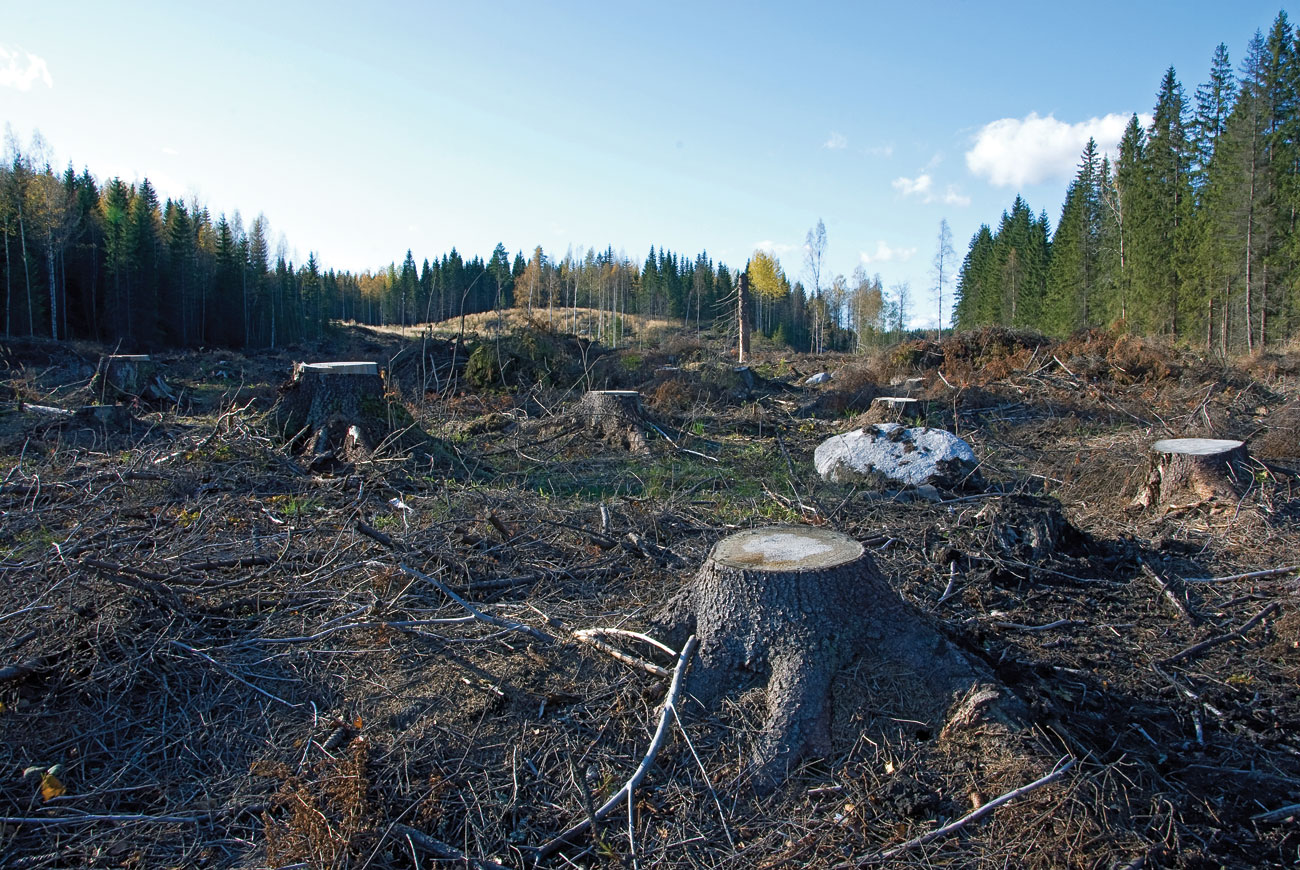
Botanists and scientists are suggesting that biodiversity loss and the climate crisis are umbilically linked and that the failure to take action on the ground to prevent extinctions will almost certainly create severe setbacks to any hope we have of avoiding more intense and more frequent climate catastrophes. Photo: Tero Laaske/CC-BY-2.0.
What’s Next?
After extended discussions, many delegates, especially from developing nations, were forced to leave to catch flights. With fewer than half of the countries remaining, the quorum was not met. While the Digital Sequence Information (DSI) fund plan was passed, doubts lingered over whether enough countries had voted, leaving room for potential challenges.
There was no consensus on how biodiversity targets would be monitored, and limited progress was made on the proposed USD 200 billion annual fund for nature. Observers criticised the lack of urgency from UN officials and governments in addressing the biodiversity crisis. Despite some breakthroughs, the suspension of COP16 has left critical issues unresolved, with countries set to continue discussions at an interim meeting in Bangkok next year.
Meanwhile, disturbing reports are pouring in from botanists and scientists of all descriptions suggesting that biodiversity loss and the climate crisis are umbilically linked and that the failure to take action on the ground to prevent extinctions will almost certainly create severe setbacks to any hope we have of avoiding more intense and more frequent climate catastrophes as the carbon accumulation in the atmosphere shows signs of shooting well above 400 parts per million, much faster than anyone had expected.